In India, dance has always been more than entertainment. It is connected to celebration, culture, fitness, cinema, social media, weddings, and even personal confidence. From classical styles like Bharatanatyam and Kathak to Bollywood dance, hip-hop, contemporary, salsa, and K-pop-inspired choreography, dance culture in India has expanded far beyond traditional stage performances.
A few decades ago, dance training was mostly limited to cultural institutions or children participating in annual school functions. Today, the situation is completely different.
Parents enroll children in dance classes from a very young age, teenagers join dance crews inspired by social media trends, fitness-focused adults attend Zumba and freestyle sessions, and many aspiring creators learn choreography for Instagram reels and YouTube content.
Television dance reality shows, celebrity choreographers, and viral short-form video culture have transformed dance into both a passion-driven and commercially viable industry.
This has made dance academies one of India’s fastest-growing creative and lifestyle businesses.
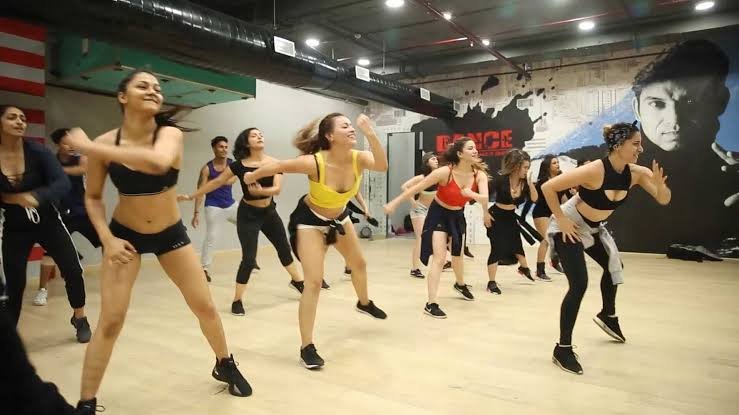
A Business Built Around Passion, Fitness, and Entertainment
India’s dance industry benefits from multiple demand sources at the same time.
Several factors continue driving growth:
- Social media and reel culture
- Fitness and wellness trends
- Rising interest in performing arts
- Children’s extracurricular activities
- Wedding choreography demand
- Dance reality show influence
Unlike many hobby businesses, dance academies often combine entertainment, skill-building, and fitness together.
Types of Dance Academy Businesses
Bollywood Dance Academy
One of the most popular categories in urban India.
Classical Dance School
Teaching Bharatanatyam, Kathak, Odissi, Kuchipudi, and other traditional forms.
Hip-Hop and Contemporary Dance Studio
Youth-focused modern choreography training.
Fitness Dance Academy
Zumba, aerobics, and dance-based workout sessions.
Kids’ Dance Classes
Focused on children’s activities and competitions.
Wedding Choreography Business
Training couples and families for wedding performances.
Investment Required: Moderate and Experience-Focused
Dance academies usually require more investment in space and ambience than expensive machinery.
A small dance studio may require ₹3–10 lakh including:
- Studio rent or setup
- Mirrors and flooring
- Sound systems
- Lighting and interiors
- Branding and marketing
A premium academy with multiple classrooms and professional production setup may require ₹20 lakh–₹1 crore or more depending on city and scale.
Location and studio atmosphere strongly influence customer perception.
Revenue and Profit Potential
Dance academies can become highly profitable because operational costs are often lower than inventory-heavy businesses.
Revenue sources may include:
- Monthly student fees
- Wedding choreography packages
- Stage performances
- Online dance classes
- Workshops and masterclasses
- Competition and event participation
- Social media collaborations
For example:
- Group dance batches create recurring monthly income.
- Wedding choreography often commands premium pricing during wedding seasons.
- Online classes help scale beyond local markets.
A well-known dance academy with strong enrollment can generate substantial monthly revenue. Net profit margins generally range between 25–50% depending on rent costs, instructor salaries, and brand positioning.
Academies with strong social media presence often grow especially fast.
What Makes This Business Successful
Strong Teaching Quality
Students stay longer when instructors are skilled and motivating.
Studio Environment
Clean, energetic, and visually appealing studios improve customer retention.
Social Media Visibility
Dance businesses grow heavily through Instagram and YouTube exposure.
Performance Opportunities
Shows and competitions increase student engagement.
Community and Energy
Students often continue because of friendships and group culture as much as dance itself.
Challenges to Prepare For
High Competition
Many local dance studios compete aggressively in urban areas.
Student Retention
Interest-based hobbies often see dropout rates.
Seasonal Enrollment Fluctuations
Summer vacations and wedding seasons may affect demand patterns.
Dependence on Instructor Quality
Good trainers heavily influence academy reputation.
Space Rental Costs
Large studio spaces in good locations can become expensive.
Academies that build strong identity and emotional community usually perform better than studios focused only on technical training.
How to Increase Profitability
Offer Wedding Choreography Services
Wedding packages often generate strong seasonal revenue.
Build Strong Instagram Presence
Dance content performs extremely well on social media.
Add Online Dance Classes
Digital classes expand audience reach significantly.
Organize Performances and Competitions
Events improve visibility and student excitement.
Create Kids’ Programs
Parents actively invest in extracurricular activities for children.
Dance Academy vs Gym or Fitness Studio
Gyms focus mainly on physical fitness and equipment usage. Dance academies combine creativity, performance, fitness, and entertainment.
This creates stronger emotional engagement and community-building opportunities.
However, branding and instructor personality matter much more in dance businesses compared to ordinary fitness centers.
The Future of Dance Academy Business in India
The future looks extremely promising. India’s entertainment culture, fitness awareness, wedding industry, and creator economy continue expanding rapidly.
Social media platforms have also created entirely new career aspirations linked to dance content creation and choreography.
At the same time, parents increasingly encourage extracurricular learning, making children’s dance education a growing market as well.
Frequently Asked Questions (FAQs)
Q1. Which dance style attracts the most students in India?
Bollywood dance usually attracts the widest audience because of its connection to movies, weddings, and social media trends.
Q2. Is wedding choreography really profitable?
Very profitable during wedding seasons. Families often spend heavily on customized performances for weddings and sangeet events.
Q3. Why is Instagram important for dance academies today?
Dance videos perform extremely well online, helping studios attract students through reels, viral choreography, and performance clips.
Q4. Can small dance studios compete against large academies?
Absolutely. Many smaller studios grow successfully because of strong instructors, community atmosphere, and personal attention.
Q5. What is the biggest challenge in this business?
Maintaining student retention and standing out in competitive urban markets are major challenges.
Q6. Is dance academy business only for children and teenagers?
No. Adults increasingly join dance classes for fitness, stress relief, social interaction, and hobby learning as well.