India’s digital payments are expected to grow significantly over the coming years, driven by rising transaction volumes. PwC’s Indian Payments Handbook 2025-2030 projects digital payment value to grow from ₹299 trillion to ₹907 trillion. This shift shows how closely digital payment infrastructure is now tied to commerce planning, customer behaviour and business performance.
Leading brands no longer see checkout as just a technical process. They evaluate how payment experiences influence customer trust, conversions and overall business performance. As digital commerce evolves, choosing the right payment gateway has become a broader business decision.
Let’s explore what leading brands consider when evaluating a payment gateway.
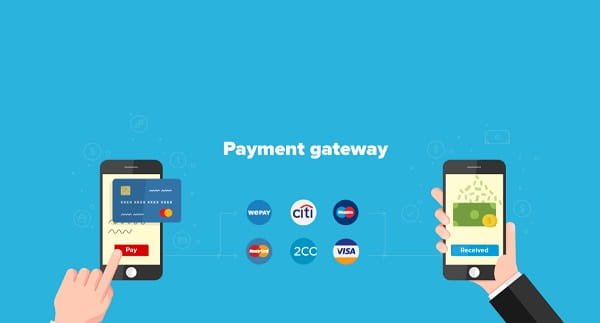
The brand-led way to evaluate payment infrastructure
Successful brands usually make payment decisions with cross-functional input. Customer experience, finance, operations, technology and growth teams all see checkout from different angles.
This wider view helps them choose a payment gateway that supports everyday transactions and long-term business plans. It also reduces gaps between customer expectations and internal workflows.
1. Buyer habits come before payment features
Leading brands begin by studying how customers prefer to pay. They review payment behaviour across categories, cities, devices and order values. This approach keeps the decision rooted in real customer patterns. A grocery buyer may prefer fast UPI payments, while a premium shopper may choose cards.
The learning is practical. A payment gateway should match the payment modes customers already use and trust. When brands make payment choices around buyer habits, checkout feels natural. It also reduces hesitation at the most important point of purchase.
This helps protect existing demand. It also supports smoother conversion across regular purchases, high-value orders and repeat transactions.
2. Checkout should feel like part of the brand experience
A leading brand rarely looks at checkout as an isolated transaction screen. It treats payment as part of the overall buying experience. Every step should feel clear, consistent and familiar. Customers should not experience a sudden change when moving from the cart to the payment page.
A payment gateway should support a seamless experience across websites, apps, mobile browsers, payment links and assisted sales channels. This matters because buying journeys are no longer linear. Customers may discover through one channel, compare elsewhere and pay through another touchpoint.
The lesson is to keep checkout aligned with the rest of the brand journey. Consistency can support confidence and improve completion.
3. Payment data should support daily decisions
Strong brands know that payment information is useful beyond finance reporting. It can reveal customer behaviour, channel performance and operational gaps. Teams need clear access to transaction status, settlement details, refund records and reports. These records help teams work faster and smarter.
A payment gateway should make this information easy to review. Payment data should support decisions, not create extra follow-up work. This helps teams understand what is happening after checkout. It can also improve reconciliation, customer support and campaign review.
4. Peak demand needs early payment readiness
Leading brands do not wait for a campaign to test payment readiness. They plan before traffic, demand and transaction volumes rise. Festive sales, product launches, payday cycles and flash events can create sudden pressure to check out. Payment journeys must remain stable during these moments.
A payment gateway should handle higher transaction volume without forcing teams to rely on last-minute fixes. This lesson is important for campaign economics. Marketing may create demand, but checkout must help convert that demand into completed orders.
Prepared brands give equal attention to discovery, merchandising, payment and post-payment support. This creates a smoother commercial rhythm across teams.
5. Future commerce needs should guide the choice
Leading brands choose payment systems with the future in mind. They know customer expectations, sales channels and payment behaviour can change quickly. A business may add new product lines, new geographies, subscription journeys, social commerce or assisted selling models.
The payment gateway should stay useful as these needs evolve. It should support flexibility without creating avoidable complexity for teams. This forward-looking approach helps businesses reduce the need for repeated process changes. It also supports better continuity as digital commerce becomes more connected.
The larger lesson is to choose adaptability. Payment infrastructure should support today’s sales while preparing for tomorrow’s customer journeys. A strong payment decision starts with the business context. Leading brands compare solutions through customer behaviour, brand experience, payment data, peak readiness and future fit.
Moving towards smarter payment choices
Leading brands show that choosing a payment gateway is about more than accepting online transactions. The right choice can support checkout confidence, payment clarity, internal coordination and future commerce plans. It also helps businesses make payment decisions with a stronger commercial lens.
Reliable payment gateway providers like Pine Labs Online help businesses think beyond payment acceptance. Their solutions support transaction tracking, settlement visibility, access to reports and refund tracking.
For growing businesses, these capabilities can reduce everyday payment gaps and improve coordination across finance, operations and customer support. A smarter payment setup can make digital growth feel less reactive, helping teams manage scale with greater clarity and checkout confidence.