Every building people notice first — whether it is a luxury apartment, a shopping mall, a village home, a hotel, or an office tower — is judged partly by its appearance. Paint does much more than add color to walls. It protects surfaces, improves durability, creates visual identity, and strongly influences how homes and commercial spaces feel.
For decades, paint in India was viewed mostly as a basic construction product purchased during house completion or festival renovation. But consumer behaviour has changed dramatically.
Today, homeowners care about textures, waterproof coatings, washable paints, luxury finishes, eco-friendly products, designer interiors, and premium color combinations. Social media home décor trends, rising middle-class spending, and urban housing growth have transformed paint from a simple utility product into a major lifestyle and construction industry.
At the same time, India’s infrastructure expansion, real-estate development, and renovation culture continue creating massive demand for paints across residential, commercial, and industrial sectors.
This combination of construction demand and lifestyle spending has made paint manufacturing one of India’s strongest long-term industrial businesses.
A Business Connected to Construction and Home Improvement
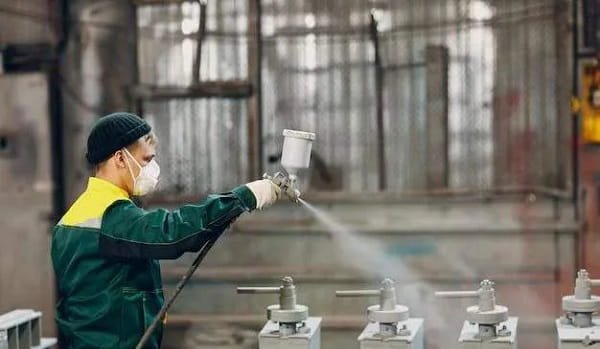
India’s paint industry benefits from both new construction and repainting demand.
Several factors continue driving market growth:
- Rapid urbanisation
- Expansion of housing projects
- Growth of interior décor culture
- Increasing repainting cycles
- Rising disposable income
- Industrial and infrastructure development
Unlike some industries that depend heavily on trends alone, paint demand continues because buildings constantly require maintenance, protection, and renovation.
Types of Paint Manufacturing Businesses
1. Decorative Paint Manufacturing
Interior and exterior wall paints for homes and buildings.
2. Industrial Paint Manufacturing
Protective coatings for factories, machinery, and industrial use.
3. Waterproofing and Protective Coatings
Products for leakage prevention and surface protection.
4. Automotive Paint Manufacturing
Vehicle coatings and refinishing products.
5. Wood and Furniture Paints
Polishes, enamels, and furniture coatings.
6. Eco-Friendly and Low-VOC Paints
Environmentally conscious paint products gaining popularity.
Investment Required: Moderate to High
Paint manufacturing requires machinery, chemical handling systems, and compliance infrastructure.
A small paint manufacturing setup may require ₹15–40 lakh including:
- Mixing and blending machines
- Raw chemicals and pigments
- Storage tanks
- Packaging systems
- Factory setup
- Licences and safety systems
A medium-to-large manufacturing unit may require ₹1 crore–₹10 crore or more depending on automation and production scale.
Quality control systems are extremely important in this business.
Raw Materials Used
Common raw materials include:
- Pigments
- Resins
- Solvents
- Additives
- Fillers
- Titanium dioxide
- Chemicals and emulsions
Raw material quality directly affects paint finish, durability, and customer satisfaction.
Revenue and Profit Potential
Paint manufacturing can become highly profitable because demand comes from multiple sectors continuously.
Revenue sources may include:
- Dealer and distributor sales
- Contractor supply
- Builder partnerships
- Retail paint shops
- Industrial contracts
- Waterproofing and specialty coatings
For example:
- Premium decorative paints often provide strong margins.
- Repainting demand creates repeat market cycles.
- Industrial coatings usually generate larger-value contracts.
A well-managed paint manufacturing business can generate substantial monthly revenue. Net profit margins generally range between 15–35% depending on branding, production efficiency, and distribution strength.
Businesses with strong dealer networks often scale especially fast.
What Makes This Business Successful
1. Consistent Product Quality
Customers expect smooth finish, durability, and accurate color performance.
2. Strong Distribution Network
Dealer and retailer relationships are critical.
3. Brand Trust
Paint is closely connected to home appearance and long-term durability.
4. Competitive Pricing
Indian paint markets remain highly price-sensitive in many segments.
5. Technical Product Knowledge
Waterproofing, textures, and specialty coatings require expertise.
Challenges to Prepare For
1. Heavy Competition
Large national paint brands dominate many markets.
2. Raw Material Price Fluctuation
Chemical and pigment costs may change significantly.
3. Branding Costs
Building consumer trust takes time and marketing investment.
4. Dealer Margin Pressure
Distribution networks expect competitive incentives.
5. Environmental and Safety Compliance
Chemical manufacturing requires proper safety and waste management.
Manufacturers who focus on product reliability and dealer relationships usually survive competition much better.
How to Increase Profitability
1. Focus on Regional Markets
Many local brands succeed strongly within specific states or cities.
2. Add Waterproofing and Specialty Products
Higher-value categories improve margins significantly.
3. Build Contractor Networks
Painters and contractors strongly influence buying decisions.
4. Use Attractive Packaging and Branding
Visual identity matters heavily in paint retail.
5. Expand Into Eco-Friendly Paints
Low-odor and environmentally friendly products are becoming increasingly popular.
Paint Manufacturing vs Cement Business
Cement businesses depend heavily on large-scale infrastructure and commodity pricing. Paint manufacturing combines industrial demand with branding and lifestyle-driven consumer choice.
This creates stronger branding opportunities and better premium positioning potential.
However, marketing and dealer relationship management are also much more important.
The Future of Paint Manufacturing in India
The future looks extremely strong. India’s housing demand, renovation culture, smart-city development, and premium interior décor trends continue expanding rapidly.
Consumers are also repainting homes more frequently compared to older generations, especially in urban areas.
At the same time, waterproofing solutions, texture paints, luxury finishes, and eco-friendly coatings are creating new high-margin opportunities in the industry.
The Verdict: A Strong Manufacturing Business Backed by Construction and Lifestyle Demand
Paint manufacturing is no longer just a chemical production business supplying basic wall colors. It has evolved into a large industry connected to construction, home improvement, branding, and interior lifestyle trends.
Entrepreneurs who maintain strong product quality, build reliable dealer networks, understand contractor relationships, and invest in branding often create highly scalable industrial businesses.
In a country where millions of homes, offices, factories, and commercial spaces continue being built and renovated every year, paint demand is likely to remain strong for decades ahead.
Frequently Asked Questions (FAQs)
Q: Which type of paint generates the highest demand in India?
A: Decorative interior and exterior wall paints usually generate the highest overall demand because of housing and repainting markets.
Q: Why do repainting cycles matter so much in this business?
A: Many customers repaint homes every few years, creating recurring long-term demand beyond new construction alone.
Q: Is dealer network important in paint manufacturing?
A: Extremely important. Paint sales depend heavily on local dealers, hardware shops, contractors, and painters.
Q: What is the biggest challenge in the paint business?
A: Competing against established brands and managing raw material price fluctuations are major challenges.
Q: Can small regional paint brands survive against national companies?
A: Yes. Many regional brands grow successfully by offering competitive pricing, local dealer relationships, and strong contractor networks.
Q: Are eco-friendly paints becoming popular in India?
A: Yes. Low-odor, low-VOC, and environmentally friendly paints are seeing increasing demand, especially in urban markets.