A few years ago, owning fitness equipment in India was mostly associated with gyms, luxury homes, or serious bodybuilders. Treadmills, exercise bikes, cross-trainers, and strength machines were considered expensive purchases that many people avoided unless absolutely necessary.
But fitness culture has changed dramatically.
Today, millions of Indians are becoming more health-conscious because of rising obesity, stressful lifestyles, work-from-home culture, and increasing awareness about exercise and wellness. At the same time, many consumers want the convenience of working out at home without spending huge amounts buying expensive machines permanently.
This shift has created a growing market for fitness equipment rental businesses.
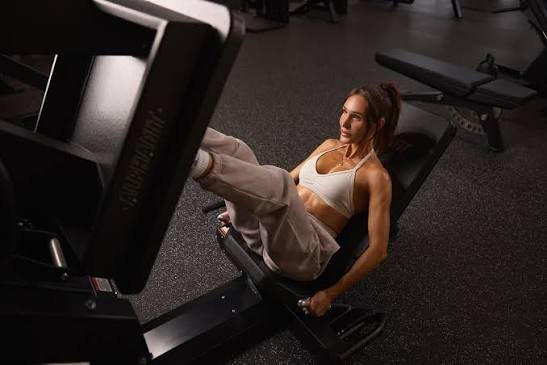
Instead of purchasing a treadmill worth ₹30,000–₹1 lakh, many people now prefer paying a monthly rental fee. Some use equipment temporarily for weight-loss goals, others rent during recovery periods, and many simply want flexibility without long-term ownership.
The result is a business model built around convenience, affordability, and recurring monthly income.
A Business Connected to India’s Growing Fitness Culture
India’s health and fitness industry has expanded rapidly over the last decade.
Several factors continue driving rental demand:
- Growth of home workout culture
- Rising obesity and lifestyle diseases
- Expensive equipment purchase costs
- Work-from-home fitness trends
- Temporary fitness goals and trial users
- Urban apartment living with flexible lifestyle preferences
Consumers increasingly prefer “use without ownership” models in many industries, and fitness equipment is becoming part of that shift.
Types of Fitness Equipment Rental Businesses
Home Gym Equipment Rental
Treadmills, cycles, dumbbells, and multi-gym machines for households.
Commercial Gym Equipment Rental
Machines rented to small gyms, hotels, or fitness studios.
Event and Short-Term Fitness Rental
Temporary equipment supply for fitness camps or events.
Rehabilitation and Medical Fitness Equipment
Exercise machines used during recovery and physiotherapy.
Subscription-Based Fitness Packages
Monthly bundled rental plans with maintenance support.
Corporate Wellness Equipment Rental
Supplying offices and employee wellness spaces.
Investment Required: Moderate to High
Fitness rental businesses require strong investment in equipment inventory.
A small setup may require ₹5–20 lakh including:
- Treadmills and cardio equipment
- Dumbbells and weights
- Delivery vehicles or logistics setup
- Storage space
- Maintenance tools
- Website and marketing
A larger rental operation with premium machines and city-wide delivery may require ₹50 lakh–₹2 crore or more.
Equipment quality directly affects long-term profitability and customer satisfaction.
Revenue and Profit Potential
Fitness equipment rental businesses earn mainly through recurring monthly rental income.
Revenue sources may include:
- Monthly equipment rentals
- Security deposits
- Delivery and installation charges
- Maintenance subscriptions
- Corporate rental contracts
- Upgrade packages
For example:
- Treadmills and exercise bikes often generate steady recurring demand.
- Long-term rentals improve equipment ROI significantly.
- Maintenance and servicing create additional income streams.
A well-managed rental business with high equipment utilization can generate strong monthly revenue. Net profit margins generally range between 20–40% depending on maintenance costs, logistics efficiency, and equipment lifespan.
Businesses in metro cities and fitness-conscious urban markets often perform especially well.
What Makes This Business Successful
1. Equipment Quality and Maintenance
Poorly maintained machines quickly damage customer trust.
2. Fast Delivery and Installation
Convenience is one of the biggest reasons customers choose rentals.
3. Flexible Rental Plans
Short-term and long-term plans attract different customer segments.
4. Reliable Customer Support
Breakdowns and servicing requests must be handled quickly.
5. Strong Digital Presence
Most customers now search fitness services online first.
Challenges to Prepare For
High Initial Equipment Cost
Premium gym machines require major upfront investment.
Wear and Tear
Frequent usage leads to maintenance and repair expenses.
Logistics and Transportation
Heavy equipment delivery can become operationally difficult.
Storage Space Requirements
Unused machines need proper warehousing and maintenance.
Competition From Cheap Equipment Sales
Some customers may eventually prefer buying low-cost equipment outright.
Businesses that focus on maintenance quality and customer convenience usually retain customers much longer.
How to Increase Profitability
1. Offer Subscription Fitness Packages
Bundled plans improve recurring monthly income.
2. Add Installation and Maintenance Services
Customers value hassle-free support heavily.
3. Target Apartment Complexes and IT Professionals
Urban home-fitness users are major customers.
4. Use App and Website Booking Systems
Digital convenience improves conversion rates.
5. Expand Into Corporate Wellness
Companies increasingly invest in employee health initiatives.
Fitness Equipment Rental vs Gym Business
Traditional gyms depend on physical membership footfall. Fitness rental businesses bring the workout experience directly into customers’ homes.
This creates recurring income without requiring large commercial gym spaces.
However, equipment management and logistics become much more important compared to ordinary fitness centers.
The Future of Fitness Equipment Rental Business in India
The future looks promising, especially in urban areas where home workouts and flexible fitness routines continue growing.
Hybrid fitness lifestyles — combining gyms, home workouts, and online fitness coaching — are likely to strengthen rental demand further.
At the same time, increasing awareness around preventive healthcare and wellness may continue pushing more consumers toward fitness solutions without heavy ownership costs.
The Verdict
Fitness equipment rental businesses are becoming part of India’s growing subscription and convenience economy. Instead of forcing customers into expensive purchases, the model offers flexibility, affordability, and easy access to fitness equipment.
Entrepreneurs who maintain high-quality machines, reliable support, strong logistics, and customer-friendly plans often build scalable recurring-income businesses.
In a country where health awareness and home-fitness culture continue expanding steadily, fitness equipment rental has strong potential as a modern wellness-focused business opportunity.
Frequently Asked Questions (FAQs)
Q1. Which fitness equipment gets rented the most in India?
Treadmills, exercise bikes, cross-trainers, dumbbells, and basic home-gym equipment usually see the highest demand.
Q2. Why do customers rent fitness equipment instead of buying it?
Many people want flexibility, lower upfront costs, short-term usage, or trial access before committing to expensive purchases.
Q3. Is maintenance a major challenge in this business?
Yes. Regular servicing and quick repair response are extremely important for customer satisfaction and retention.
Q4. Which cities are best for this business?
Metro cities and urban fitness-focused markets like Bengaluru, Mumbai, Pune, and Hyderabad often show strong demand.
Q5. Can this business work without owning a large warehouse initially?
Yes. Many small operators start with limited inventory and expand gradually based on rental demand.
Q6. What is the biggest mistake new rental businesses make?
Ignoring maintenance quality and poor delivery coordination are common mistakes that quickly damage customer trust.