Now India’s packaging industry has moved far beyond its old identity as a low-margin, support function to manufacturing. Packaging is now a strategic industry—one that directly influences brand perception, supply-chain efficiency, sustainability compliance, and export competitiveness. From FMCG and pharmaceuticals to e-commerce, food processing, and consumer electronics, packaging has become central to how products are sold, protected, and trusted.
What makes 2026 a turning point is the shift from volume-led growth to value-led growth. Regulations on plastics, pressure from global brands, and the rise of organised retail have forced packaging companies to upgrade materials, technology, and design. The industry is growing fast—but only players who adapt to sustainability, automation, and compliance are scaling profitably.
Quick Overview: Packaging Industry in India (2026)
| Indicator | 2026 Status |
| Total industry size | ₹4.2–4.6 trillion |
| Annual growth rate | ~9–11% CAGR |
| Organised sector share | ~70% |
| Major end-user industries | FMCG, Pharma, E-commerce, Food, Chemicals |
| Dominant formats | Flexible packaging, corrugated boxes |
| Sustainability focus | High (recyclable & mono-materials) |
| Export orientation | Growing |
| Key pressure points | Raw material costs, plastic rules |
| Industry phase | Value-added & compliance-driven |
Industry Size and Structure (2026)
By 2026, India’s packaging industry is estimated at ₹4.2–4.6 trillion, making it one of the largest packaging markets globally. The sector includes flexible packaging (films, pouches), rigid plastics, paperboard, corrugated boxes, glass, metal packaging, and specialty formats such as aseptic and pharmaceutical packaging.
Structurally, the industry is now largely organised. Large integrated players dominate flexible packaging, corrugated boards, and rigid containers, while MSMEs remain active in regional paper, printing, and secondary packaging. However, compliance requirements and customer expectations are steadily pushing smaller players toward consolidation or specialisation.
Flexible packaging remains the largest segment by value, driven by FMCG, food, and personal care. Corrugated packaging follows closely, powered by e-commerce, electronics, and industrial logistics. Glass and metal packaging are smaller by volume but critical for premium beverages, pharmaceuticals, and chemicals.
Key Growth Drivers in 2026
1. FMCG and Food Processing Expansion
India’s consumption story remains the biggest driver. Packaged food, dairy, snacks, ready-to-eat meals, and personal care products continue to grow across urban and rural markets. Every new SKU launch adds incremental packaging demand—not just in quantity, but in design, barrier performance, and shelf life.
Food safety regulations and longer distribution chains are pushing demand for high-quality, contamination-resistant packaging formats.
2. E-commerce and Logistics Boom
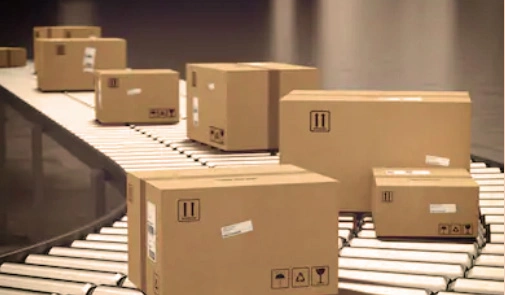
E-commerce has permanently changed packaging economics. Corrugated boxes, protective fillers, tamper-proof seals, and lightweight secondary packaging are now essential.
In 2026, packaging for e-commerce is no longer just about protection—it is about cost optimisation, returns reduction, and sustainability. Brands are redesigning box sizes, reducing void fill, and shifting toward recyclable paper-based solutions to cut logistics costs.
3. Pharmaceutical and Healthcare Packaging
India’s pharmaceutical sector continues to expand domestically and globally, driving demand for high-precision, regulatory-compliant packaging. Blister packs, bottles, vials, and sterile packaging require strict quality controls and traceability.
This segment offers high margins, but also high compliance costs—favouring technologically advanced players.
4. Sustainability and Plastic Regulations
Sustainability is no longer optional. Extended Producer Responsibility (EPR), plastic waste rules, and corporate ESG commitments are reshaping material choices.
In 2026, the industry is seeing:
- Shift from multi-layer plastics to mono-material recyclable films
- Growth in paper-based and moulded fibre packaging
- Increased use of recycled content in rigid plastics
- Design-for-recyclability becoming standard practice
Sustainability has moved from marketing to mandatory compliance.
Segment-wise Performance
a. Flexible Packaging
This remains the largest and fastest-growing segment. Used extensively in food, FMCG, and personal care, flexible packaging benefits from lightweighting, cost efficiency, and shelf appeal. The challenge is recyclability, which is pushing innovation in materials and coatings.
b. Corrugated Packaging
Driven by e-commerce and industrial logistics, corrugated boxes are seeing strong volume growth. Automation and standardisation are improving margins, while recycled paper availability remains a key constraint.
c. Rigid Plastic Packaging
Used for bottles, containers, and household products. Growth is steady, but regulatory pressure is forcing redesigns toward thinner walls and recycled plastics.
d. Glass and Metal Packaging
These serve premium beverages, pharmaceuticals, and chemicals. Growth is moderate but stable. Glass is benefiting from premiumisation trends, while metal packaging remains strong in industrial and aerosol applications.
Key Challenges in 2026
1. Raw Material Price Volatility
Paper pulp, polymers, aluminium, and glass inputs remain volatile due to global supply disruptions and energy costs. Sudden price swings squeeze margins, especially for players locked into long-term supply contracts.
2. Compliance and Capital Intensity
Meeting sustainability norms, food safety standards, and pharmaceutical regulations requires heavy investment in machinery, testing, and documentation. Smaller firms often struggle to keep pace, accelerating consolidation.
3. Recycling Infrastructure Gaps
While recyclable packaging is growing, India’s recycling and waste segregation infrastructure remains uneven. This creates a gap between “recyclable in theory” and “recycled in practice,” complicating EPR compliance.
4. Design vs Cost Trade-offs
Brands want premium, sustainable packaging—but are unwilling to absorb significant cost increases. Packaging companies must innovate within tight cost constraints, which limits pricing power.
Structural Shifts Defining 2026
Several deep changes are now clear:
- Packaging is becoming a value-added service, not a commodity
- Sustainability is driving material and design innovation
- Automation is replacing labour-intensive operations
- Compliance capability is a competitive advantage
- Packaging decisions are increasingly made at the brand-strategy level
The industry is evolving from “supplier” to strategic partner.
Forecast: 2026–2030
Short-Term Outlook (2026–2027)
The industry is expected to grow at 9–11% annually, driven by FMCG, food processing, pharmaceuticals, and e-commerce. Flexible and corrugated packaging will lead growth.
Consolidation will continue as compliance costs rise and customers prefer fewer, more capable suppliers.
Medium-Term Outlook (By 2030)
By 2030, India’s packaging industry could cross ₹7–8 trillion in size. Growth will increasingly come from:
- Sustainable and recyclable packaging
- Pharma and healthcare packaging
- Export-oriented packaging solutions
- Smart and traceable packaging technologies
Margins will improve for players who invest early in automation, sustainability, and design capability.
Strategic Takeaway
In 2026, packaging in India is no longer about boxes and wrappers. It is about trust, efficiency, and responsibility.
The winners will be companies that:
- Master sustainable materials
- Invest in automation and scale
- Help brands meet compliance goals
- Balance cost with innovation
Packaging has become a silent differentiator. In the years ahead, it will decide not just how products look—but how competitive they are.