India’s jewellery industry continues to hold a unique position where culture, wealth, fashion, and finance intersect in 2026. Jewellery in India is not just an accessory—it is savings, status, tradition, and celebration combined into one category. From weddings and festivals to daily wear and investment buying, jewellery demand spans generations and regions.
What defines the jewellery industry in 2026 is resilient demand with structural modernisation. While gold remains the backbone, consumer preferences are shifting toward lighter designs, branded retail, transparent pricing, and digitally assisted buying. At the same time, volatility in gold prices, regulatory scrutiny, and changing consumer behaviour are reshaping how the industry operates.
This article examines the size of India’s jewellery industry in 2026, the factors driving its growth, the challenges it faces, and how the sector is likely to evolve in the coming years.
Quick Overview: Jewellery Industry in India (2026)
| Aspect | Status |
| Total industry size | ₹7.5–8.0 trillion |
| Annual growth rate | ~8–9% |
| Dominant metal | Gold (~85% of value) |
| Organised sector share | ~45–50% |
| Rural demand share | ~55% |
| Major buying occasions | Weddings, festivals |
| Key growth trend | Branded & lightweight jewellery |
| Industry character | Tradition-led, modernising |
Industry Size and Structure (2026)
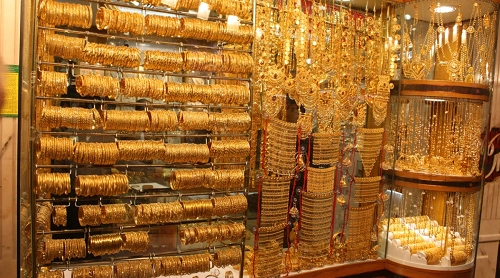
By 2026, India’s jewellery industry is estimated to be worth ₹7.5–8.0 trillion, making it one of the largest jewellery markets globally. The sector includes gold jewellery, diamond-studded jewellery, silver jewellery, and a growing category of fashion and lightweight ornaments.
The industry structure is split between organised and unorganised players:
- Large organised retailers and national chains with strong branding and transparent pricing
- Regional jewellers with deep local trust and custom design capabilities
- A shrinking but still significant unorganised segment, particularly in rural markets
Gold jewellery dominates by value and volume, while diamonds and other precious stones contribute disproportionately to margins and urban demand.
Key Growth Drivers in 2026
a. Cultural and Wedding-Driven Demand
Weddings remain the single largest driver of jewellery demand in India. Gold jewellery continues to be viewed as an essential part of marriage rituals, gifts, and long-term security.
Despite changing designs, the cultural importance of jewellery remains intact.
b. Jewellery as a Store of Value
Gold jewellery continues to function as a financial asset. In times of economic uncertainty and inflation, households increase allocation toward gold as a hedge.
This investment motive supports demand even during slowdowns in discretionary spending.
c. Shift Toward Branded and Organised Retail
Consumers are increasingly choosing branded jewellers for transparency, certification, buy-back assurance, and design consistency. This trend is especially strong among younger buyers and urban households.
Organised retail is gaining share at the expense of smaller, informal players.
d. Lightweight and Daily-Wear Jewellery
Rising gold prices have pushed consumers toward lighter designs. Daily-wear gold, studded jewellery, and minimalist designs are gaining popularity, particularly among working professionals.
This trend supports higher purchase frequency with lower ticket sizes.
e. Digital Influence and Omnichannel Buying
Digital catalogues, virtual try-ons, online bookings, and social media discovery now influence jewellery buying decisions. While final purchases often happen in-store, the journey increasingly starts online.
Segment-wise Performance
1. Gold Jewellery
Gold remains the dominant segment, accounting for the majority of industry value. Demand is driven by weddings, festivals, and investment buying.
Growth is steady but sensitive to price movements.
2. Diamond and Studded Jewellery
Diamond jewellery is growing faster than gold by value. Urban consumers increasingly prefer diamonds for gifting and special occasions.
Margins are higher, but demand is more discretionary.
3. Silver Jewellery
Silver jewellery is gaining popularity due to affordability and fashion appeal. It is increasingly positioned as lifestyle and gifting jewellery rather than investment.
4. Fashion and Lightweight Jewellery
Lightweight and contemporary designs attract younger consumers. This segment benefits from repeat purchases and design-led differentiation.
Competitive Landscape
India’s jewellery industry is highly competitive but trust-driven. Large organised players compete on brand, design, and customer experience, while regional jewellers rely on personal relationships and customisation.
Competition is shaped by:
- Trust and reputation
- Design innovation
- Pricing transparency and buy-back policies
- Retail experience and service quality
Marketing, celebrity endorsements, and festive promotions play a major role in customer acquisition.
Key Challenges in 2026
→ Gold Price Volatility: Fluctuating gold prices affect demand timing and consumer sentiment. Sharp price rises can temporarily slow purchases, especially for weddings.
→ Regulatory Compliance and Costs: KYC norms, hallmarking requirements, and tax compliance have increased operating costs, particularly for smaller jewellers.
→ Working Capital Intensity: Jewellery retail is capital-intensive, with high inventory requirements. Managing cash flow and gold price risk remains a challenge.
→ Changing Consumer Expectations: Younger consumers demand transparency, ethical sourcing, and modern designs. Traditional players must adapt quickly to stay relevant.
→ Competition from Alternative Investments: Urban investors are diversifying into financial products, reducing jewellery’s share as a pure investment choice.
Structural Shifts Visible in 2026
Several long-term trends are shaping the industry:
- Growing dominance of organised and branded retail
- Shift toward lightweight and design-led jewellery
- Increasing role of diamonds and studded jewellery
- Integration of digital tools in the buying journey
- Decline of informal and cash-based transactions
The industry is moving from trust by tradition to trust by transparency.
Forecast: Jewellery Industry Outlook (2026–2030)
Short-Term Outlook (2026–2027)
- Stable demand supported by weddings and festivals
- Sensitivity to gold price movements
- Continued market share gains for organised retailers
Medium-Term Outlook (By 2030)
By 2030, India’s jewellery industry could reach ₹11–12 trillion in size. Growth will depend on:
- Expansion of organised retail into smaller towns
- Continued innovation in lightweight and studded jewellery
- Stable regulatory environment
- Sustained cultural demand for gold
Value growth is expected to remain strong, even if volumes grow moderately.
Final Perspective
In 2026, India’s jewellery industry remains deeply rooted yet visibly evolving. Tradition continues to drive demand, but modern retail practices, design innovation, and transparency are redefining how jewellery is bought and sold.
The future of the industry lies in balancing heritage with modernity—honouring cultural significance while meeting the expectations of a new generation of informed, digitally influenced consumers.