The iron and steel industry sits at the core of India’s industrial economy. Roads, railways, housing, automobiles, power plants, ports—almost every large-scale development depends on steel. By 2026, India’s steel sector has moved into a new phase: one where scale is no longer the only advantage. Efficiency, cost control, environmental compliance, and global competitiveness now matter just as much.
India is already among the world’s leading steel producers, and domestic demand remains structurally strong. At the same time, the industry faces pressure from volatile raw material prices, decarbonization expectations, and global trade uncertainties. The next few years will decide whether India can translate its production scale into sustainable, long-term leadership.
This article presents a complete overview of the iron and steel industry in India in 2026 — covering its size, growth drivers, challenges, and realistic outlook.
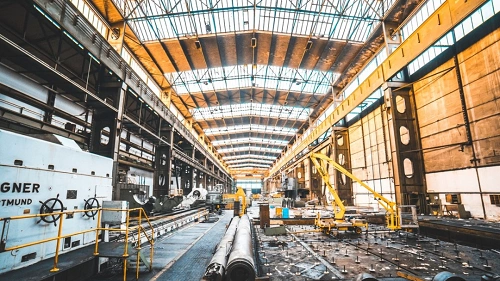
Quick Overview: Iron and Steel Industry in India (2026)
| Aspect | Status |
| Global position | Among the top steel producers worldwide |
| Industry structure | Mix of large integrated players and secondary producers |
| Demand base | Infrastructure, construction, auto, capital goods |
| Export role | Net exporter with cyclical fluctuations |
| Key technologies | Blast furnace, electric arc furnace, DRI |
| Major pressure points | Cost volatility, emissions, global price cycles |
| Outlook | Steady domestic-led growth with green transition focus |
Industry Size and Economic Importance
By 2026, India’s iron and steel industry represents a very large industrial value chain, contributing significantly to GDP, industrial output, and employment. Steel consumption in India continues to rise, supported by infrastructure expansion, urban housing, and manufacturing growth.
India’s per-capita steel consumption, while increasing, remains below that of developed economies. This structural gap provides long-term demand visibility. Domestic demand—not exports—is the primary growth engine, making the industry less vulnerable to global downturns compared to export-dependent peers.
The sector includes:
- Integrated steel producers
- Secondary steelmakers using scrap and sponge iron
- Downstream processors and fabricators
Together, they form one of the most capital-intensive and strategically important industries in the country.
Structure of the Indian Steel Industry
The industry operates through multiple production routes:
1. Blast Furnace–Basic Oxygen Furnace (BF–BOF)
Used by large integrated players; high scale but carbon-intensive.
2. Direct Reduced Iron (DRI)
Widely used in India due to domestic iron ore availability.
3. Electric Arc Furnace (EAF)
Scrap-based, more flexible, and increasingly relevant for sustainability goals.
India’s steel ecosystem is supported by relatively strong availability of iron ore, but coking coal remains largely imported, which exposes producers to global price and supply risks.
Key Growth Drivers in 2026
1. Infrastructure and Construction Push
Government-led infrastructure spending—roads, railways, metro systems, ports, airports, and power projects—continues to be the single biggest driver of steel demand. Housing and urban redevelopment add further support.
2. Manufacturing and Capex Recovery
Growth in automobiles, capital goods, and engineering industries increases demand for flat and special steels. The push for domestic manufacturing strengthens long-term steel consumption.
3. Urbanization and Real Estate
Rising urban populations and demand for affordable and mid-income housing sustain consumption of long steel products such as rebars and structural steel.
4. Export Opportunities in Select Cycles
While exports are not the primary growth driver, India remains competitive in certain steel categories when global prices and trade conditions are favorable.
5. Capacity Expansion and Modernization
Ongoing capacity additions, brownfield expansions, and technology upgrades improve efficiency, product quality, and cost competitiveness.
Major Challenges Facing the Industry
1. Raw Material Price Volatility
Steel production costs are highly sensitive to iron ore, coking coal, energy, and freight prices. Sharp swings in global coal prices directly impact margins, especially for integrated producers.
2. Environmental and Emission Pressures
Steel is one of the most carbon-intensive industries. Emission norms, carbon pricing risks, and global buyer expectations are forcing producers to invest in cleaner technologies, increasing capital costs.
3. Cyclical Nature of Steel Prices
Steel prices move in cycles. Periods of strong margins are often followed by sharp corrections, making earnings volatile and investment planning difficult.
4. Import Competition
Low-cost steel imports during global oversupply phases can pressure domestic prices. Safeguard duties and trade measures help but do not eliminate the risk entirely.
5. Capital Intensity and Debt
Steel plants require continuous capital investment. Managing leverage while funding expansion and decarbonization remains a key balancing act.
Technology and Sustainability Transition
By 2026, sustainability is no longer optional for steelmakers. The industry is gradually shifting toward:
- Higher scrap usage
- Energy efficiency improvements
- Renewable power integration
- Pilot projects in hydrogen-based steelmaking
However, green steel technologies are still expensive and not yet scalable at full commercial levels in India. The transition will be gradual rather than disruptive.
Demand Segmentation Outlook
Long Steel Products
Driven by infrastructure and housing. Demand remains strong and relatively stable.
Flat Steel Products
Linked to automobiles, appliances, and manufacturing. Growth depends on industrial recovery and export competitiveness.
Special and Alloy Steels
Smaller in volume but higher in value. Increasing focus due to defense, automotive, and engineering applications.
Forecast: Iron and Steel Industry Outlook (2026–2030)
Short-Term Outlook (2026–2027)
- Stable growth led by domestic infrastructure spending
- Margins fluctuate due to input cost movements
- Capacity utilization remains healthy
Medium-Term Outlook (2028–2030)
- Continued demand growth supported by urbanization and manufacturing
- Gradual adoption of greener production methods
- Higher consolidation among smaller, inefficient producers
Growth Expectations
India’s steel demand is expected to grow at a steady mid-single-digit rate, outpacing many global markets. Growth will be volume-led domestically, while value growth depends on cost control and product mix.
Strategic Takeaway
In 2026, India’s iron and steel industry is strong, scaled, and strategically positioned—but under transformation pressure. Domestic demand provides a solid foundation, yet profitability will increasingly depend on efficiency, sustainability, and discipline rather than expansion alone.
The next phase will reward steelmakers who invest in modernization, manage raw material risks, and prepare early for a lower-carbon future. Those who rely only on scale and protection will struggle in a more competitive and environmentally conscious global market.
Steel will remain central to India’s growth story. The challenge is not demand—but producing it cleaner, smarter, and more resiliently in the years ahead.