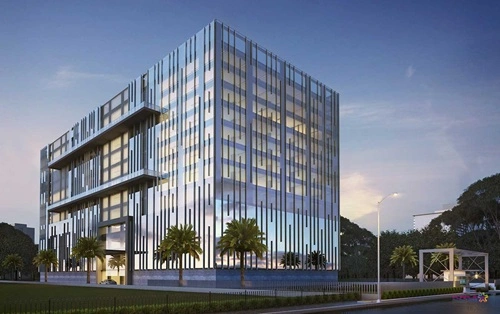
Glass industry in India 2026 is no longer a quiet, commodity-driven sector. It has become a strategic materials industry, closely linked to construction, infrastructure, automobiles, consumer goods, pharmaceuticals, and renewable energy. From smart city buildings and metro stations to liquor bottles, solar panels, and smartphone screens, glass is everywhere—and demand is becoming more specialised, not just larger.
What defines 2026 is diversification with cost pressure. Volumes are growing steadily, but margins are under stress due to energy costs, raw material volatility, and stricter environmental norms. At the same time, value-added segments like float glass, container glass, solar glass, and specialty glass are reshaping the industry’s future.
This article explains the size of India’s glass industry in 2026, the drivers supporting growth, the challenges slowing expansion, and how the sector is expected to evolve over the rest of the decade.
Quick Overview: Glass Industry in India (2026)
| Aspect | Status |
| Total industry size | ₹55,000–60,000 crore |
| Annual growth rate | ~7–9% |
| Organised sector share | ~80% |
| Major segments | Flat glass, container glass, specialty glass |
| Key end-use sectors | Construction, auto, FMCG, pharma, solar |
| Energy intensity | Very high |
| Import dependence | Limited, but rising in specialty glass |
| Industry phase | Capacity expansion with margin pressure |
Industry Size and Structure (2026)
By 2026, India’s glass industry is estimated to be worth ₹55,000–60,000 crore, placing it among the larger materials industries in the country. The sector includes flat glass (used in buildings and automobiles), container glass (bottles and jars), specialty glass (electronics, labware), and emerging segments such as solar glass.
The industry is largely organised and capital-intensive. Large manufacturers dominate production due to the high cost of furnaces, technology requirements, and energy needs. Smaller players exist mainly in processing, cutting, and regional distribution.
Flat glass accounts for the largest share of value, followed by container glass. Specialty and solar glass remain smaller in volume but are growing faster and offering better margins.
Major players such as Saint-Gobain India, Asahi India Glass, and Hindustan National Glass play a central role in capacity expansion and technology adoption.
Growth Drivers in 2026
1. Construction and Real Estate Demand
Construction remains the single biggest driver of glass consumption. Residential housing, commercial buildings, malls, airports, and metro stations all rely heavily on flat glass. Modern architecture increasingly prefers larger glass surfaces for natural lighting and aesthetics.
The shift toward green buildings and energy-efficient construction is also increasing demand for coated and insulated glass, which improves thermal performance.
2. Automotive Industry Recovery and EV Growth
Automobiles are a major consumer of flat and safety glass. Rising vehicle production, along with the growth of electric vehicles, has supported steady demand. EVs, in particular, use larger windshields, panoramic roofs, and advanced glass displays, increasing per-vehicle glass consumption.
3. Beverage, FMCG, and Pharmaceutical Packaging
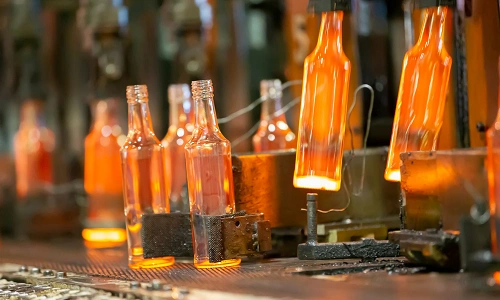
Container glass demand is closely tied to beverages, food processing, and pharmaceuticals. Liquor bottles, food jars, and pharma containers continue to see stable growth due to rising consumption and export demand.
Glass is increasingly preferred over plastic in premium packaging due to recyclability and product safety perception.
4. Solar and Renewable Energy Applications
Solar glass is one of the fastest-growing segments in 2026. India’s push toward renewable energy has created strong demand for specialised glass used in photovoltaic panels. This segment is driving new investments and technology imports.
5. Sustainability and Recycling Push
Glass is infinitely recyclable, and this sustainability advantage is becoming more valuable. Increased use of cullet (recycled glass) helps reduce energy consumption and raw material costs, while aligning with environmental goals.
Segment-wise Performance
a. Flat Glass
Flat glass dominates the industry by value. Demand is driven by construction and automobiles. Value-added products such as tinted, laminated, and coated glass are growing faster than basic float glass.
b. Container Glass
This segment shows steady, predictable growth. Alcoholic beverages, processed foods, and pharmaceuticals are the main demand drivers. Premiumisation trends are supporting higher-value bottle designs.
c. Specialty Glass
Specialty glass used in electronics, laboratories, and optics is still a small segment but has high strategic importance. Domestic capacity is limited, leading to some import dependence.
d. Solar Glass
Solar glass is emerging as a high-growth niche. Capacity additions are underway, but demand is rising faster than supply, creating investment opportunities.
Key Challenges in 2026
1. High Energy Costs
Glass manufacturing is extremely energy-intensive. Natural gas, electricity, and furnace fuel costs form a large part of operating expenses. Volatility in energy prices directly impacts margins.
2. Capital Intensity and Long Gestation
Setting up or expanding a glass plant requires heavy upfront investment and long construction timelines. Furnace shutdowns for maintenance are costly and disruptive.
3. Environmental Compliance
Stricter emission norms, waste heat recovery requirements, and environmental clearances increase compliance costs. While necessary, they raise entry barriers and operating expenses.
4. Raw Material Constraints
Availability and quality of silica sand, soda ash, and limestone can vary regionally. Transportation costs add further pressure.
5. Import Competition in Specialty Segments
High-end specialty glass still faces competition from imports due to technology gaps and limited domestic scale.
Structural Shifts Defining 2026
Several long-term trends are reshaping the industry:
- Shift from basic to value-added glass
- Rising use of coated, laminated, and insulated glass
- Growing importance of recycling and cullet usage
- Expansion into solar and specialty glass
- Higher entry barriers reinforcing industry consolidation
The industry is moving from volume-led to application-led growth.
Forecast: Glass Industry Outlook (2026–2030)
Short-Term Outlook (2026–2027)
- Steady demand from construction and autos
- Margin pressure due to energy costs
- Capacity additions in flat and solar glass
Medium-Term Outlook (By 2030)
By 2030, India’s glass industry could exceed ₹90,000 crore in size. Growth will depend on:
- Continued infrastructure and housing development
- EV and solar capacity expansion
- Greater domestic production of specialty glass
- Improved energy efficiency and recycling rates
Final Takeaway
In 2026, India’s glass industry is strong, essential, and evolving—but not without stress. Demand is broad-based, yet profitability depends heavily on energy management, scale, and product mix.
Companies that move beyond commodity glass into energy-efficient, specialty, and solar applications, while controlling costs and emissions, will define the next phase of growth.