Food processing industry in India sits at the centre of three powerful forces: rising consumer demand, agricultural transformation, and policy-driven industrialisation. What was once a fragmented, low-margin extension of farming has become a strategic manufacturing sector — one that connects farmers to markets, reduces food wastage, creates rural jobs, and supplies both domestic and global consumers.
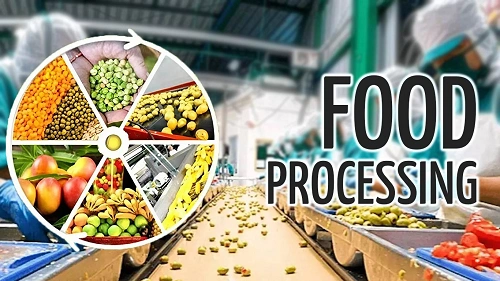
Food processing is no longer limited to basic milling or packaging. It now includes ready-to-eat foods, dairy processing, frozen products, beverages, snacks, marine processing, and value-added agri-products. In 2026, the industry is growing steadily, but the real story is formalisation and value addition, not just scale.
This article explains the current size of India’s food processing industry, the key drivers supporting growth, the challenges slowing progress, and what the outlook looks like over the next few years.
Quick Overview: Food Processing Industry in India (2026)
| Aspect | Status |
| Total industry size | ₹24–26 trillion |
| Annual growth rate | ~8–10% |
| Share of agriculture output processed | ~14–15% |
| Organised sector share | ~40% and rising |
| Major segments | Dairy, grains, fruits & vegetables, meat & seafood, beverages |
| Export value | USD 55–60 billion |
| Employment supported | 20+ million |
| Industry phase | Formalisation & value expansion |
Industry Size and Structure (2026)
By 2026, India’s food processing industry is estimated to be worth ₹24–26 trillion, making it one of the largest food processing markets globally. The sector spans primary processing (such as rice milling and sugar), secondary processing (bakery, snacks, dairy products), and tertiary processing (ready-to-eat meals, frozen foods, beverages).
Despite its size, India still processes only about 14–15% of its total agricultural output, far lower than developed economies. This gap highlights both a structural weakness and a massive growth opportunity.
The industry operates in a mixed structure. Large organised players dominate dairy, packaged foods, and exports, while a vast number of MSMEs handle local processing of grains, spices, fruits, and vegetables. Over the last few years, stricter food safety norms and consumer preference for branded products have steadily increased the organised sector’s share.
Policy direction is driven largely by the Ministry of Food Processing Industries, which plays a central role in infrastructure funding, incentives, and export promotion.
Growth Drivers in 2026
1. Rising Consumption and Urban Demand
India’s expanding middle class is a major growth engine. Urban households are consuming more packaged foods, dairy products, snacks, and ready-to-cook items due to lifestyle changes, time constraints, and exposure to global food habits.
Even in semi-urban and rural areas, branded packaged food is replacing loose, unprocessed alternatives, expanding the addressable market.
2. Shift Toward Value-Added Foods
Consumer demand is moving away from raw staples toward value-added and convenience foods. Ready-to-eat meals, frozen foods, bakery products, and processed dairy items are seeing strong growth.
This shift increases margins and improves shelf life, making processing more attractive than trading raw agricultural produce.
3. Export Growth and Global Demand
India’s processed food exports continue to expand. Marine products, basmati rice, spices, ready-to-eat meals, and processed fruits and vegetables are finding steady demand in global markets.
Exports are no longer limited to bulk commodities. Branded and semi-processed foods are gaining traction, improving export realisations and market positioning.
4. Government Support and Infrastructure
Government initiatives have played a critical role in improving industry fundamentals. Investments in mega food parks, cold chains, agro-processing clusters, and logistics have reduced post-harvest losses and improved processing efficiency.
Schemes under programs such as Pradhan Mantri Kisan Sampada Yojana have supported modern plants, storage facilities, and farmer linkages.
5. Formalisation and Food Safety Awareness
Rising consumer awareness about hygiene and quality has boosted demand for certified, packaged foods. Compliance with food safety regulations has become a competitive advantage rather than a burden, accelerating the shift from informal to organised processing.
Segment-wise Performance
a. Dairy Processing
Dairy remains the largest segment by value. Products such as packaged milk, cheese, butter, yoghurt, and value-added dairy drinks continue to grow. Cooperative and private dairy processors are expanding capacity to meet urban demand.
b. Grain and Cereal Processing
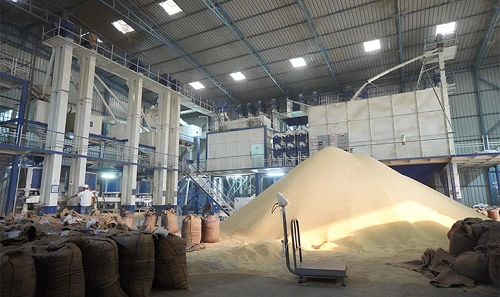
Rice, wheat, and pulses form the backbone of primary processing. While margins are thin, scale is large. Growth is steady, supported by domestic consumption and exports.
c. Fruits and Vegetables
This segment holds the highest untapped potential. Processing levels remain low, but demand for frozen vegetables, pulps, purees, and packaged foods is increasing. Improved cold-chain infrastructure is slowly unlocking growth.
d. Meat, Poultry, and Seafood
Processing in this segment is expanding, especially for poultry and marine products. Exports play a major role, while domestic demand for packaged meat is rising in urban markets.
e. Beverages and Ready-to-Eat Foods
Beverages, snacks, and ready-to-eat products are among the fastest-growing categories. Innovation, branding, and convenience drive this segment’s momentum.
Key Challenges in 2026
1. Low Processing Penetration
Despite progress, India still processes a small share of its agricultural output. Fragmented supply chains and limited farm-level aggregation remain barriers.
2. Cold-Chain and Logistics Gaps
Cold storage, refrigerated transport, and last-mile connectivity remain uneven, especially for fruits, vegetables, and seafood. Losses during storage and transit continue to impact profitability.
3. MSME Constraints
Most food processors are MSMEs with limited access to capital, technology, and skilled labour. Compliance costs and working capital needs strain smaller units.
4. Input Price Volatility
Fluctuations in agricultural commodity prices affect raw material availability and margins. Weather-related disruptions add further uncertainty.
5. Regulatory Compliance
Food safety standards are tightening. While necessary, compliance can be complex and costly for small processors, slowing expansion.
Structural Shifts Defining 2026
Several long-term trends are shaping the industry:
- Movement from bulk to branded products
- Stronger farm-to-factory linkages
- Increased role of cold chains and logistics
- Export-oriented processing gaining importance
- Technology adoption in quality control and packaging
The industry is gradually shifting from volume-led to value-led growth.
Forecast: Food Processing Industry Outlook (2026–2030)
Short-Term Outlook (2026–2027)
- Steady growth in packaged foods and dairy
- Continued export expansion
- Gradual increase in organised sector share
Medium-Term Outlook (By 2030)
By 2030, India’s food processing industry could exceed ₹40 trillion in size. Growth will depend on:
- Higher processing penetration of fruits and vegetables
- Expansion of cold-chain infrastructure
- Stronger integration with farmers
- Increased focus on global food markets
Final Takeaway
In 2026, India’s food processing industry is no longer just an extension of agriculture. It is a manufacturing and consumption-led sector with deep links to jobs, exports, and food security.
The future belongs to processors who can reduce wastage, build strong supply chains, meet safety standards, and deliver value-added foods at scale.