Cotton has always been more than just a crop in India. It sits at the heart of rural livelihoods, textile manufacturing, exports, and employment. From farms in Maharashtra and Gujarat to spinning mills in Tamil Nadu and garment hubs in the north, cotton links agriculture directly to industry. By 2026, the Indian cotton industry stands at a delicate balance point—strong global relevance on one side, and rising structural pressures on the other.
India remains one of the world’s largest cotton producers, consumers, and exporters. Yet the sector is no longer driven only by acreage and yield. Climate stress, input costs, policy decisions, and shifts in global textile demand now shape outcomes just as much as rainfall or seed quality. This article presents a clear, analyst-style view of the cotton industry in India in 2026—covering size, growth drivers, challenges, and what the next few years realistically look like.
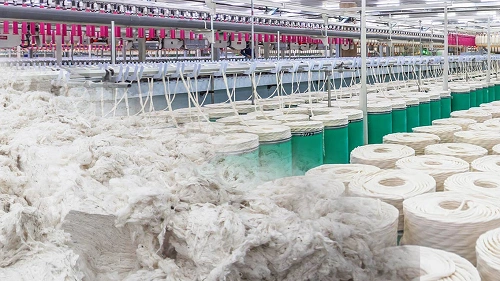
Cotton Industry in India – Quick Overview
| Aspect | Status |
| Global position | Among the world’s top cotton producers and consumers |
| Production base | Predominantly rain-fed agriculture |
| Value-chain strength | Strong spinning and textile ecosystem |
| Export role | Major exporter of cotton yarn and textiles |
| Key consuming sectors | Apparel, home textiles, industrial fabrics |
| Major pressure points | Climate risk, productivity, farmer margins |
| Outlook | Stable growth with rising quality and sustainability focus |
Industry Size and Structure
By 2026, India’s cotton industry spans three interconnected layers:
- Farm-level production
- Ginning and spinning
- Textiles and apparel manufacturing
India cultivates cotton over a very large area, employing millions of farmers directly and supporting many more through processing and manufacturing. Cotton-based textiles contribute significantly to India’s overall textile and apparel industry, which itself is a major pillar of industrial output and exports.
In value terms, the cotton ecosystem—including raw cotton, yarn, fabrics, garments, and exports—represents a multi–tens-of-billions-dollar segment of the Indian economy. India is not only a producer of raw cotton but also one of the largest processors, giving it a strong position across the value chain.
Production Trends and Regional Concentration
Cotton production in India is concentrated in a few key states:
- Gujarat
- Maharashtra
- Telangana
- Andhra Pradesh
- Madhya Pradesh
- Rajasthan
- Punjab and Haryana (smaller but higher productivity zones)
A critical structural feature of Indian cotton farming is that a large share remains rain-fed. This makes output highly sensitive to monsoon variability, pest pressure, and temperature extremes. Even in 2026, yield volatility remains a defining characteristic of the sector.
While total output remains high, yield growth has slowed compared to earlier decades. This has shifted attention from expanding acreage to improving productivity, seed quality, and farming practices.
Growth Drivers in 2026
1. Strong Domestic Textile Demand
India’s growing population, rising incomes, and urbanization continue to support steady demand for cotton-based apparel and home textiles. Cotton remains preferred for comfort, breathability, and cultural reasons.
2. Export-Oriented Textile Manufacturing
India holds a strong position in yarn exports and cotton-based garments. Global buyers increasingly diversify sourcing, and India benefits from its integrated supply chain—from fiber to finished goods.
3. Sustainability and Natural Fiber Preference
Globally, brands are shifting toward natural and biodegradable fibers. Cotton benefits from this trend, especially as synthetic fiber scrutiny increases due to environmental concerns.
4. Value-Addition Focus
There is a gradual shift from exporting raw cotton toward higher-value products such as yarn, fabrics, and finished garments. This improves earnings stability and employment generation.
Key Challenges Facing the Cotton Industry
1. Climate and Weather Volatility
Unpredictable monsoons, heat stress, and pest outbreaks continue to disrupt output. Climate risk is now the single biggest uncertainty factor in cotton production.
2. Stagnant Productivity
Despite earlier gains from hybrid and Bt cotton adoption, yield growth has plateaued. Input costs have risen faster than yields, squeezing farmer margins.
3. Input Cost Pressure
Seeds, fertilizers, pesticides, labor, and energy costs have all increased. For many small farmers, profitability remains fragile despite government support mechanisms.
4. Policy Uncertainty
Minimum support price decisions, export controls, and trade policies directly affect both farmers and textile manufacturers. Sudden policy shifts can distort market signals.
5. Competition from Man-Made Fibers
Synthetic fibers such as polyester are cheaper, more consistent in quality, and less weather-dependent. This puts long-term competitive pressure on cotton, especially in mass-market textiles.
Supply Chain and Industry Dynamics
One of India’s biggest strengths is its integrated cotton-textile ecosystem. Ginning units, spinning mills, weaving clusters, and garment factories operate in close coordination. This reduces logistics costs and supports quick turnaround times for exports.
However, fragmentation remains a challenge. Many ginners and spinning mills operate at thin margins and face working-capital stress. Modernization and consolidation are ongoing but uneven.
Forecast: What Lies Ahead (2026–2030)
Short-Term Outlook (2026–2027)
- Cotton output remains stable but weather-dependent.
- Prices fluctuate within a moderate band due to global demand and domestic policy actions.
- Textile exports grow steadily, driven more by value than volume.
Medium-Term Outlook (2028–2030)
- Greater emphasis on sustainable cotton, traceability, and quality certification.
- Productivity improvement through better agronomy and precision farming.
- Increased blending of cotton with other fibers to balance cost and performance.
Growth Expectations
Overall, the cotton industry is expected to grow at a moderate, steady pace rather than rapid expansion. Growth will be led by downstream textiles and apparel rather than raw cotton volume alone.
Strategic Takeaway
In 2026, India’s cotton industry is mature but not stagnant. Its future depends less on planting more cotton and more on producing better cotton, managing climate risk, and extracting higher value through processing and exports.
The sector’s strength lies in its scale, integration, and global relevance. Its weakness lies in productivity volatility and farmer economics. Bridging that gap—through technology, stable policy, and sustainable practices—will determine whether cotton remains a competitive advantage for India over the next decade.
The cotton story is no longer just about farms. It is about resilience, efficiency, and positioning India as a reliable natural-fiber powerhouse in a rapidly changing global textile market.