Owning a car brings comfort and convenience, but it also comes with responsibility. Roads are unpredictable. Accidents, theft, natural disasters, and even small mistakes can lead to heavy financial loss. Car insurance exists to protect vehicle owners from these risks and to ensure that one unfortunate incident does not turn into a long-term financial burden.
Many people buy car insurance only because it is legally required. Few take the time to understand what it actually covers, what it doesn’t, and how it helps in real-life situations. Like any financial product, car insurance has clear benefits—and some limitations that every owner should know.
This article explains car insurance in detail, covering its features, advantages and disadvantages.
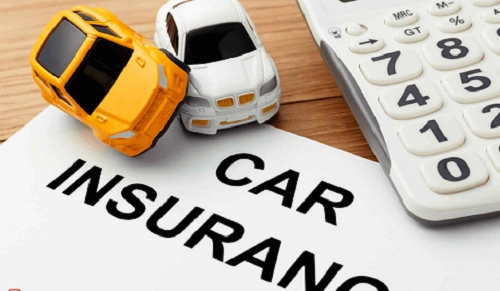
What Is Car Insurance?
Car insurance is a contract between a vehicle owner and an insurance company. The owner pays a premium, and in return, the insurer agrees to cover financial losses arising from accidents, theft, fire, natural calamities, or third-party liabilities, as per the policy terms.
Depending on the type of policy chosen, car insurance can cover damage to your own vehicle, injury or damage caused to others, or both.
In short, car insurance protects you, your car, and others on the road from unexpected financial loss.
Key Features of Car Insurance
1. Third-Party Liability Coverage
This is the most basic and legally mandatory feature. It covers injury, death, or property damage caused to a third party due to your car. It does not cover damage to your own vehicle.
2. Own Damage Coverage
Own damage cover protects your car against damage caused by accidents, fire, theft, vandalism, natural disasters like floods or earthquakes, and man-made calamities.
3. Comprehensive Policy Option
A comprehensive car insurance policy combines third-party liability and own damage coverage. It offers wider protection and is the most preferred option for private car owners.
4. Insured Declared Value (IDV)
IDV represents the current market value of the car and is the maximum amount the insurer will pay in case of total loss or theft. It decreases every year due to depreciation.
5. Add-On Covers
Car insurance policies can be enhanced with add-ons such as zero depreciation cover, engine protection, roadside assistance, and return-to-invoice cover. These increase protection but also raise the premium.
6. No-Claim Bonus (NCB)
If no claim is made during the policy year, the insurer rewards the policyholder with a no-claim bonus in the form of a premium discount at renewal.
Types of Car Insurance Policies
Car insurance is mainly offered in the following forms:
- Third-Party Only Policy: Basic legal coverage
- Standalone Own Damage Policy: Covers only your vehicle
- Comprehensive Policy: Covers both third-party and own damage
- Pay-As-You-Drive Policy: Premium based on vehicle usage
Choosing the right type depends on the car’s value, usage, and risk exposure.
Advantages of Car Insurance
1. Financial Protection Against Accidents
Accidents can result in costly repairs or legal liabilities. Car insurance absorbs these expenses and prevents sudden financial strain.
2. Legal Compliance
Third-party car insurance is mandatory. Having valid insurance helps avoid fines, penalties, and legal complications.
3. Protection Against Theft and Disasters
Comprehensive car insurance covers theft and damage due to natural calamities such as floods, storms, and earthquakes, which can otherwise result in total loss.
4. Peace of Mind While Driving
Knowing that financial risks are covered allows drivers to focus on driving rather than worrying about potential losses.
5. Cashless Repair Facility
Many insurers offer cashless repairs at network garages. This reduces out-of-pocket expenses and simplifies the repair process after an accident.
6. No-Claim Bonus Savings
Safe drivers benefit from lower premiums over time through accumulated no-claim bonuses, making insurance more cost-effective.
Disadvantages of Car Insurance
1. Premium Cost
Car insurance premiums can feel expensive, especially for new or high-end vehicles. Add-on covers further increase the cost.
2. Policy Exclusions
Car insurance does not cover everything. Driving under the influence, lack of a valid license, wear and tear, and mechanical failures are usually excluded.
3. Depreciation Reduces Claim Amount
Without zero depreciation cover, claim payouts are reduced due to depreciation of car parts, leading to lower compensation.
4. Claim Rejection Possibility
Claims can be rejected due to delayed intimation, incomplete documents, or violation of policy terms, which can be frustrating.
5. Annual Renewal Hassle
Car insurance policies need to be renewed every year. Missing renewal can lead to loss of coverage and no-claim bonus.
6. Not All Add-Ons Are Useful
Some add-ons may not be necessary for every car owner. Buying unnecessary covers increases premium without adding real value.
Who Should Buy Car Insurance?
Car insurance is essential for:
- Private car owners
- Commercial vehicle owners
- New car buyers
- Owners of high-value or frequently used vehicles
Anyone driving on public roads must have at least basic coverage.
How to Choose the Right Car Insurance Policy
- Choose comprehensive coverage for better protection
- Select IDV carefully to avoid underinsurance
- Add only useful add-ons based on usage and location
- Compare insurers for claim settlement reputation
- Renew on time to retain benefits
A well-chosen policy offers protection without unnecessary expense.
Final Conclusion
Car insurance is more than a legal formality. It is a practical safety net that protects vehicle owners from financial shocks caused by accidents, theft, and liabilities. While it comes with costs and conditions, its benefits far outweigh its disadvantages when chosen wisely.
The key lies in understanding coverage, exclusions, and real needs. Car insurance cannot prevent accidents, but it can ensure that one bad moment on the road does not turn into a long-term financial setback. For every responsible vehicle owner, car insurance is not optional it is essential protection.