Often, awareness of BRCA screening grew after well-known figures shared personal choices about prevention. Yet away from media attention, it serves as a method allowing individuals insight into inherited patterns linked to breast and ovarian cancer risk.
If you’ve ever wondered whether you should be looking into your genetic makeup, or if a doctor has mentioned BRCA gene screening during a routine checkup, it helps to pause and look at what the test actually does and, more importantly, who it’s really for.
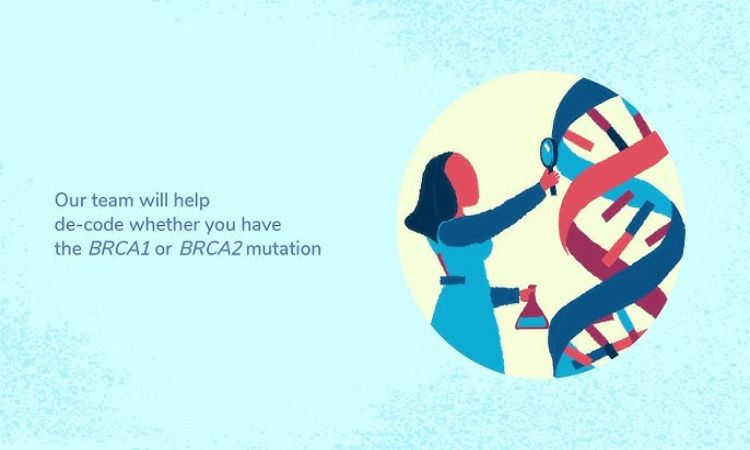
What are the BRCA genes, anyway?
It’s a common misconception that having “the BRCA gene” is a bad thing. In reality, we all have BRCA1 and BRCA2 genes. Their job is actually to protect us; they produce proteins that help repair damaged DNA and keep cell growth stable.
The concern arises when there is a mutation, or a “typo”, in that genetic code. If these genes fail to function properly, errors in DNA may build up slowly. Over years, such buildup tends to raise cancer risks noticeably, especially in specific tissues. The connection emerges clearly when cellular repair weakens without warning. A BRCA screening is essentially a high-resolution spell-check of those specific genes to see if any of those harmful mutations are present.
Who should consider testing?
Genetic testing isn’t usually a “routine” screen for everyone in the general population. Because most breast cancers are not hereditary (only about 5-10% are linked to inherited mutations), doctors typically look for specific “red flags” before suggesting a BRCA gene screening.
1. The Family History Factor
This is often the biggest indicator. If you have several close relatives (on either your mother’s or father’s side) who have had breast, ovarian, pancreatic, or prostate cancer, it might be worth investigating. It’s a common digression to note that men can carry and pass on these mutations too, so don’t just look at the women in your family tree.
2. Early-Onset Diagnoses
Cancer that appears at an unusually young age, typically before 45 or 50, is more likely to have a genetic component. If you or a close relative were diagnosed young, a test could provide vital context for future health monitoring.
3. Specific Cancer Types
For a cancer type like triple-negative breast cancer, screening is done regardless of the patient’s family history. Ovarian cancer cases also lead toward genetic analysis, independent of relatives’ health records.
4. Known Mutations in the Family
If a relative has already tested positive for a BRCA mutation, there is a 50% chance you inherited it as well. Knowing your status can help you and your healthcare team create a personalised action plan.
What happens if the test is positive?
Finding out you have a mutation can be heavy, but it also opens doors to preventive care that wouldn’t have been on the radar otherwise. Beyond standard checks each year, an early start could appear in your plan. Sometimes, alongside routine scans, detailed imaging steps forward. Guidance may shift toward more frequent observation when needed.
Preventive measures may include surgery or certain medicines, both capable of greatly reducing cancer likelihood. Though not common, these paths are taken by individuals aiming to minimise future health threats. Choices like these often depend on personal medical advice rather than general guidelines. Procedures exist which alter biological risks, offering a different kind of long-term outlook. Medication regimens serve some as an alternative path altogether, avoiding operations when possible.
The Bottom Line
This type of testing is a deeply personal decision. It’s not about finding something “wrong”; it’s about finding out what’s “true” for your body so you can take the driver’s seat in your own healthcare. If your family history has you feeling a bit uneasy, or if you’re simply a “need-to-know” type of person, the technology is now more accessible and accurate than ever.
MedGenome offers comprehensive hereditary cancer panels that provide the deep genetic insights necessary for informed preventive care. A single outcome may offer direction; family members, like brothers, sisters, or offspring, might later apply it when weighing personal medical steps. Information passes quietly across generations, shaping choices without force or demand.