Forget the sci-fi movies of rogue robots taking over the cockpit. Today, artificial intelligence is the calm, hyper-focused co-pilot working behind the scenes to make sure your flight lands safely and on time. From the moment you book a ticket to the second the wheels touch down, smart algorithms are reshaping modern travel. Here is how AI technology is shaping the aviation sector.
In Aircraft Design and Manufacturing
AI is transforming the way aircrafts are designed and manufactured. AI algorithms are designed to analyze vast amounts of data and insights to optimize the design and layout of aircraft. In response, this optimization ensures better aircraft performance, fuel efficiency, and flight safety. Using AI-enabled computer-aided design tools, aviation technicians can automate repetitive tasks, generating 3D models and running simulations in less time and with no errors. Leveraging the power of AI, engineers can also analyze the structural integrity of aircraft components, including teledyne battery products, identifying potential weaknesses and optimizing designs before they become problems. Most aviation firms have gone a step further, utilizing AI-powered robots to perform complex manufacturing tasks with greater precision and speed, which reduces operational costs alongside improving efficiency.
In Flight Operations
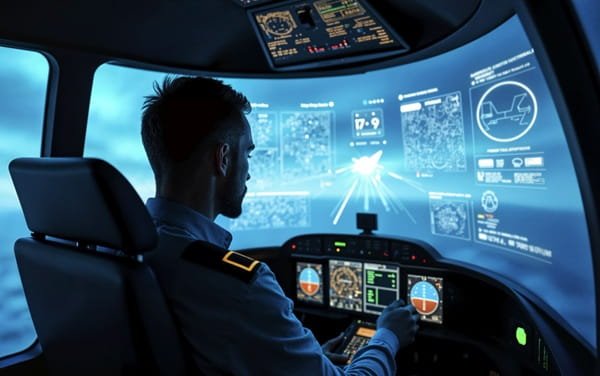
Artificial intelligence helps ensure more efficient, smoother, and more sustainable flight operations. Entirely autonomous flight is still years away, but AI-enabled systems already handle a variety of flight-related tasks, and most pilots rely on AI for autopilot functions, collision avoidance, and weather navigation. Aircraft sensor data needs expert analysis, and AI algorithms do this well, resulting in effective prediction of potential failures and proactive scheduling of maintenance that reduces overall costs and enhances aircraft operability. AI-powered air traffic management systems are also designed to optimize flight paths, reduce delays, and improve flight safety across the board.
In Passenger Experience
In a variety of ways, AI continues to enhance the overall passenger experience that every aviation firm is dreaming of. AI chatbots allow aircraft maintenance experts and customer service teams to provide superior, personalized support, answering questions and resolving issues quickly. Biometric systems embedded with AI technology, such as facial recognition and fingerprint scanners, make the check-in and boarding process straightforward. Based on passenger needs and preferences, aviation companies also use AI to personalize in-flight entertainment recommendations.
Conclusion
Artificial intelligence isn’t here to replace the wonder of human flight; it’s here to give it wings of steel and precision, both of which are the cornerstone of any aviation company. From the components that hold an aircraft together to the systems that guide it through the sky, AI is quietly embedded in nearly every stage of the journey. As algorithms grow smarter and safety standards continue to rise, our skies are transforming into a seamlessly connected highway. Buckle up; the future of flight is intelligent, and we have only just cleared the runway.