Not long ago, marketing meant billboards, TV ads, and newspaper space. Brands spoke, and audiences listened. That balance is gone. In 2026, digital marketing has turned into something far more intense — a constant, real-time battle for attention across screens, platforms, and algorithms.
Today, a single scroll on Instagram or a quick search on Google Search decides which brands win and which disappear. Consumers are no longer passive. They skip ads, block trackers, compare prices instantly, and expect brands to understand them almost personally. Data, content, and timing now matter more than budget alone.
Digital marketing has grown into a multi-billion-dollar ecosystem powered by AI, influencers, short-form videos, and performance analytics. But with this growth comes complexity. Privacy laws are tightening, competition is exploding, and platforms keep changing the rules overnight.
In 2026, digital marketing is not just about visibility — it’s about relevance, speed, and trust.
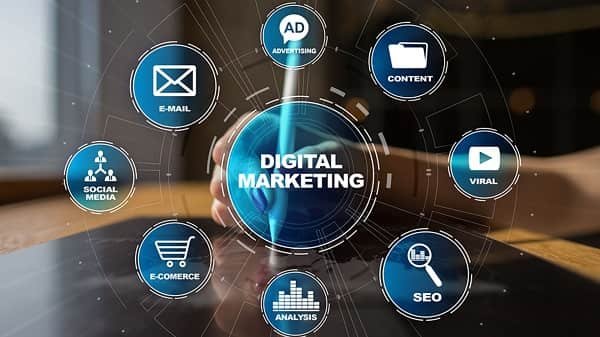
Industry Snapshot
| Parameter | Detail |
| Global Market Size | $700+ billion (est.) |
| Key Channels | Search, Social Media, Video, Email |
| Major Platforms | Google, Meta, YouTube, TikTok |
| Core Drivers | Data, AI, Personalization |
| Growth Regions | India, Southeast Asia, Africa |
| Key Trends | Short-form video, AI automation, influencer marketing |
Strengths
Highly targeted and data-driven: Digital marketing allows brands to target specific audiences based on age, location, behavior, and interests. Unlike traditional media, campaigns can be optimized in real time using performance data.
Cost-effective compared to traditional media: Even small businesses can run campaigns with limited budgets. Platforms like Facebook and Google Ads allow precise spending control and measurable ROI.
Global reach with instant scalability: A campaign launched today can reach audiences worldwide within minutes. This scalability makes digital marketing powerful for startups and global brands alike.
Measurable performance: Every click, impression, and conversion can be tracked. This transparency helps marketers refine strategies and improve efficiency.
Diverse content formats: From blogs and emails to reels and live streams, digital marketing supports multiple formats, allowing creative storytelling.
Real-time engagement: Brands can interact directly with consumers through comments, messages, and social media, building stronger relationships.
Weaknesses
Overdependence on platforms: Digital marketing relies heavily on platforms like Google and social media. Any algorithm change can drastically affect reach and performance.
Rising competition and ad fatigue: With millions of brands advertising online, users are overwhelmed. This reduces attention spans and makes it harder to stand out.
Privacy concerns and data restrictions: Stricter regulations and reduced tracking (like cookie restrictions) limit data availability, making targeting more difficult.
Short content lifespan: Most digital content has a very short life. Posts can lose visibility within hours, requiring constant content creation.
Skill and expertise requirements: Effective digital marketing requires knowledge of SEO, analytics, content, and ads — making it complex for beginners.
Opportunities
AI-driven personalization: Artificial intelligence is enabling hyper-personalized marketing experiences, improving engagement and conversion rates.
Growth of short-form video content: Platforms like YouTube Shorts and Instagram Reels are driving massive engagement, offering brands new ways to connect with audiences.
Expansion in emerging markets: Countries like India are seeing rapid internet adoption, creating huge new audiences for digital campaigns.
Influencer and creator economy: Influencers are becoming key marketing channels, especially for younger audiences.
Voice search and smart devices: As voice assistants grow, optimizing for voice search opens new marketing opportunities.
E-commerce integration: Digital marketing is directly linked to online sales, making it easier to convert engagement into revenue.
Threats
Algorithm dependency and unpredictability: Platforms frequently change algorithms, impacting visibility and forcing marketers to constantly adapt.
Increasing advertising costs: As competition rises, the cost of digital ads continues to increase, reducing ROI.
Ad blockers and user resistance: Many users actively avoid ads, limiting campaign effectiveness.
Fake engagement and bots: Fraudulent clicks, fake followers, and bots can distort campaign performance data.
Data privacy regulations: Stricter laws worldwide are limiting tracking and targeting capabilities.
Platform saturation: Too many brands competing for attention leads to declining organic reach.
Verdict
Digital marketing in 2026 is more powerful than ever — but also more demanding. It offers unmatched reach, precision, and measurable impact, making it essential for businesses of all sizes.
At the same time, the landscape is becoming harder to navigate. Algorithms change overnight, competition is relentless, and consumers are more selective about what they engage with.
The future of digital marketing will depend on three things. First, how well brands use AI to deliver personalized experiences. Second, how creatively they capture attention in a crowded space. And third, how they build trust in an era where privacy matters more than ever.
Digital marketing is no longer optional. It is the battlefield where brands are built — or forgotten.