Public Provident Fund (PPF) is one of the most trusted long-term savings schemes in India. It is known for safety, tax benefits, and guaranteed returns. What many account holders don’t realize is that a PPF account can also provide temporary liquidity. A loan against PPF allows you to borrow money using your PPF balance, without closing the account.
This facility is designed for short-term needs and comes with very favorable terms. At the same time, it has strict rules and limitations. Understanding both the advantages and disadvantages helps you decide whether it makes sense for your situation.
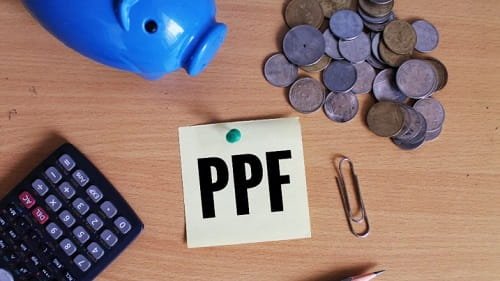
What Is a Loan Against PPF?
A loan against PPF is a facility that allows an account holder to borrow money from their PPF balance during a specific period of the account’s life. The loan is not given by a bank or NBFC in the usual sense. Instead, it is provided against your own PPF savings, under government rules.
The loan amount is a percentage of the PPF balance, and the interest rate is much lower than most other loans.
When Can You Take a Loan Against PPF?
A loan against PPF is allowed only:
- From the 3rd financial year to the end of the 6th financial year of opening the account
Loans are not allowed after the 6th year. After that stage, partial withdrawals become available instead.
This limited window is one of the most important aspects of PPF loans.
How Does a Loan Against PPF Work?
The loan amount is calculated based on the PPF balance at the end of the financial year two years before the year in which the loan is applied.
The maximum loan amount allowed is up to 25% of that balance.
Repayment must be completed within a fixed period, usually in two stages:
- Principal repayment
- Interest repayment
Interest is charged at a small margin above the prevailing PPF interest rate.
Key Features of Loan Against PPF
- Very low interest rate
- No credit check or income proof
- No impact on credit score
- Simple application process
- Loan backed by own savings
- Strict limits on amount and timing
Advantages of Loan Against PPF
1. Extremely Low Interest Cost
One of the biggest advantages is the interest rate. It is far lower than personal loans, credit cards, or overdrafts. This makes it one of the cheapest borrowing options available.
2. No Credit Score Requirement
Since the loan is backed by your own PPF balance, there is no credit check. Even individuals with low or no credit history can access this loan.
3. No Risk of Asset Loss
Unlike loans against property, gold, or car, there is no risk of losing an external asset. The loan is adjusted within your own savings if needed.
4. Simple and Hassle-Free Process
The documentation is minimal, and the process is straightforward, especially if your PPF account is held with a bank or post office.
5. PPF Account Continues
The PPF account remains active during the loan period. You can continue making yearly contributions as usual.
6. Better Than Breaking Long-Term Investments
Instead of withdrawing or disrupting long-term savings plans, the loan provides liquidity while keeping the account intact.
Disadvantages of Loan Against PPF
1. Very Limited Loan Amount
The loan is capped at 25% of the eligible PPF balance. This makes it unsuitable for large expenses.
2. Strict Time Restriction
You can take the loan only between the 3rd and 6th year. Miss this window, and the option is gone.
3. Fixed Repayment Period
The loan must be repaid within the prescribed time. There is little flexibility compared to other loan products.
4. Impact on Long-Term Growth
If the loan is not repaid quickly, the effective growth of the PPF balance can reduce.
5. Not a Repeat Facility Anytime
You cannot take unlimited loans whenever you want. Rules strictly limit frequency and timing.
Loan Against PPF vs Partial Withdrawal
- Loan against PPF keeps the account intact and involves repayment
- Partial withdrawal permanently reduces the PPF balance
A loan is usually better in the early years, while withdrawals are allowed later.
When Is a Loan Against PPF a Good Option?
This loan makes sense when:
- You need short-term funds
- The required amount is small
- You are within the eligible years
- You want the lowest possible interest cost
- You want to avoid market or asset risk
It is not suitable for long-term or high-value funding needs.
Things to Keep in Mind Before Taking the Loan
- Check your account year eligibility carefully
- Borrow only what you can repay comfortably
- Repay the loan early if possible
- Continue regular PPF contributions
- Use it strictly for genuine needs
Responsible use protects long-term savings.
Conclusion
A loan against PPF is one of the safest and cheapest borrowing options available, but only within a narrow window and for limited amounts. It offers very low interest, no credit score dependency, and zero asset risk, making it ideal for short-term financial needs.
However, its strict rules, low loan limit, and limited availability mean it cannot replace regular loans. Before using this facility, it is important to balance short-term needs against long-term retirement goals. When used carefully and repaid on time, a loan against PPF can provide timely relief without compromising financial security.