Money needs don’t always come at the right time. Medical bills, family functions, education costs, sudden travel, or clearing old dues can put pressure on your savings. In such situations, a personal loan often becomes a quick and practical solution.
A personal loan is easy to access and flexible in use. You don’t need to keep property or gold as security, and the money can be used for almost any purpose. At the same time, it is not a decision to take lightly because it involves higher interest and fixed monthly payments. This article walks you through the basics so you understand the loan before committing to it.
What Is a Personal Loan?
A personal loan is an unsecured loan provided by banks and NBFCs to meet personal financial needs. Since it is unsecured, the lender does not ask for collateral. Approval is mainly based on your income, job stability, credit score, and past repayment behavior.
Most lenders allow you to use the loan amount freely. Whether it is for medical treatment, marriage expenses, travel, education, home repairs, or paying off other debts, there are usually no usage restrictions.
Main Features of a Personal Loan
Personal loans are popular because they are simple and straightforward. Here are the key features explained.
1. No Collateral
You do not have to pledge any asset like a house, land, or gold. This makes personal loans suitable for people who do not own property.
2. Flexible Loan Amount
Loan amounts generally start from ₹10,000 and can go up to ₹30–40 lakh. The exact amount depends on your monthly income, employer profile, and credit score.
3. Fixed Repayment Tenure
Personal loan tenure usually ranges from 1 year to 5 years. Shorter tenure means higher EMI, while longer tenure reduces EMI but increases interest cost.
4. Fixed EMIs
Most personal loans come with fixed interest rates. This means your monthly EMI remains the same throughout the loan period, making budgeting easier.
5. Quick Processing
One of the biggest features is speed. Many lenders approve personal loans within hours, and the amount may be credited within one or two working days.
6. Simple Documentation
Basic documents such as identity proof, address proof, income proof, and bank statements are usually enough.
Eligibility Criteria for Personal Loan
Eligibility rules differ slightly across lenders, but common conditions include:
- Age usually between 21 and 60 years
- Indian resident
- Regular source of income
- Salaried employee or self-employed professional
- Good credit score, generally 700 or above
A higher income and strong credit history improve approval chances and may help get a lower interest rate.
Interest Rates and Charges
Since personal loans are unsecured, interest rates are higher compared to home or vehicle loans.
- Interest rates generally range between 10% and 24% per year
- Processing fees may be 1% to 3% of the loan amount
- Late payment charges apply if EMIs are missed
- Foreclosure or prepayment charges may apply in some cases
Always look at the total repayment amount, not just the EMI.
Advantages of a Personal Loan
Personal loans offer several benefits, especially during urgent needs.
1. Freedom to Use the Money
There are no restrictions on how you spend the loan amount. This flexibility is one of its biggest strengths.
2. No Risk to Assets
Since no collateral is involved, your property or savings are not directly at risk as long as you repay on time.
3. Fast Access to Funds
When money is needed quickly, personal loans are among the fastest options available.
4. Easy Application Process
Online applications, limited paperwork, and quick verification make the process smooth and convenient.
5. Predictable Monthly Payments
Fixed EMIs help you plan your monthly expenses without surprises.
6. Helpful for Debt Consolidation
You can use a personal loan to clear multiple high-interest debts and manage them through a single EMI.
Disadvantages of a Personal Loan
Despite the convenience, personal loans have certain drawbacks.
1. Higher Interest Cost
Personal loans are expensive compared to secured loans. Over time, the interest paid can be quite high.
2. EMI Pressure
Shorter tenures mean higher monthly EMIs, which can strain your budget if income is not stable.
3. Credit Score Impact
Missing even one EMI can negatively affect your credit score and future loan eligibility.
4. Extra Fees
Processing fees, penalties, and foreclosure charges increase the overall cost of the loan.
5. Easy Borrowing Can Lead to Overuse
Because personal loans are easy to get, some borrowers take more than they actually need and struggle later.
Personal Loan vs Other Borrowing Options
Compared to credit cards, personal loans are better for larger amounts and structured repayment. Credit cards may suit very short-term expenses, but unpaid balances attract very high interest. Personal loans offer clarity with fixed EMIs and a clear end date.
When Does a Personal Loan Make Sense?
A personal loan is suitable when:
- The expense is urgent or unavoidable
- You have a stable income to manage EMIs
- The loan replaces higher-interest debt
- No cheaper loan option is available
It is not ideal for unnecessary luxury spending without proper planning.
Things to Check Before Taking a Personal Loan
- Check your credit score in advance
- Borrow only what you actually need
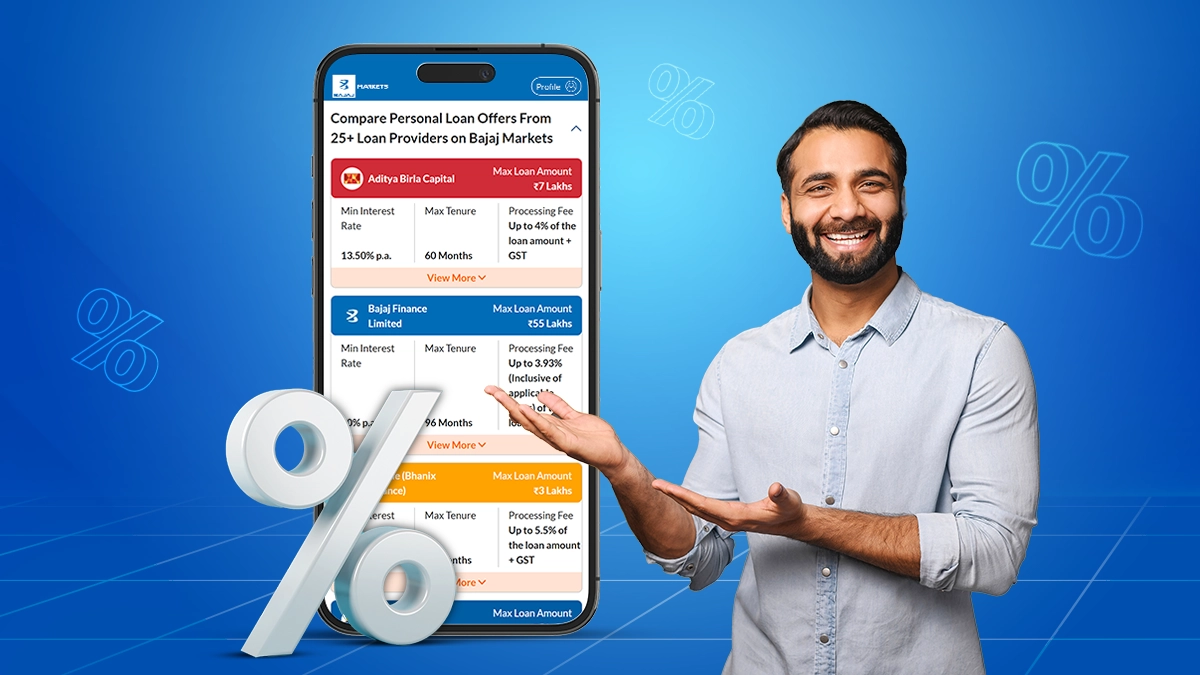
- Compare offers from multiple lenders
- Read all terms and charges carefully
- Keep emergency savings for at least a few EMIs
Good planning reduces stress later.
Conclusion
A personal loan can be a helpful financial support when used responsibly. It offers speed, flexibility, and ease without asking for security. At the same time, it comes with higher interest rates and strict repayment discipline.
The real value of a personal loan depends on how thoughtfully it is used. Borrow within your limits, plan your EMIs carefully, and avoid casual borrowing. When handled wisely, a personal loan can solve problems. When handled carelessly, it can create long-term financial pressure.