Trade has always depended on movement goods moving across seas, ships crossing oceans, and cargo changing hands between countries. While marine transport is efficient, it is also exposed to serious risks. Storms, accidents, piracy, fire, and even simple mishandling at ports can result in heavy losses. Marine insurance exists to protect against these uncertainties.
Marine insurance is one of the oldest forms of insurance in the world, and even today it plays a critical role in global trade. It safeguards ship owners, cargo owners, and logistics businesses from financial loss arising during transit. Like all insurance products, marine insurance offers strong benefits but also comes with certain limitations.
This article explains marine insurance, covering its features, advantages and disadvantages.
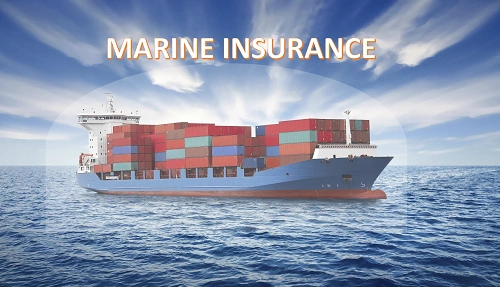
What Is Marine Insurance?
Marine insurance is a contract that provides financial protection against loss or damage to ships, cargo, terminals, and other property involved in transportation by sea, air, rail, or road, when linked to marine transit.
In simple terms, it covers risks associated with the movement of goods from one place to another. Although the name suggests only sea transport, modern marine insurance often covers multimodal transport as well.
The insured pays a premium, and the insurer agrees to compensate for losses caused by covered risks during the policy period.
Key Features of Marine Insurance
1. Coverage for Transit-Related Risks
The primary feature of marine insurance is protection against risks faced during transit. These include ship accidents, sinking, collision, fire, theft, piracy, and damage due to rough handling.
2. Different Interests Can Be Insured
Marine insurance can cover:
- The ship or vessel (Hull insurance)
- The cargo or goods being transported (Cargo insurance)
- Freight charges and liabilities
This flexibility allows different stakeholders to insure their specific interests.
3. Principle of Indemnity
Marine insurance follows the principle of indemnity. The insured is compensated only for the actual loss suffered, ensuring there is no profit from insurance claims.
4. Policy Types and Flexibility
Marine insurance policies can be structured in various ways, such as voyage policies, time policies, or mixed policies. This allows coverage to be tailored based on duration, route, or frequency of shipments.
5. Coverage Beyond Sea Transport
Modern marine insurance often extends to inland transit, including road, rail, and air transport, making it suitable for door-to-door coverage.
6. Insurable Interest Required
The insured must have a financial interest in the subject matter of insurance at the time of loss. Without insurable interest, a claim cannot be made.
Types of Marine Insurance Policies
Marine insurance is broadly classified into the following:
- Hull Insurance: Covers damage to the ship or vessel
- Cargo Insurance: Covers loss or damage to goods during transit
- Freight Insurance: Protects freight earnings
- Liability Insurance: Covers legal liabilities arising from marine operations
Each type addresses a different aspect of marine risk.
Advantages of Marine Insurance
1. Financial Protection Against Large Losses
Marine losses can be extremely costly, especially when high-value cargo or vessels are involved. Marine insurance ensures that such losses do not cripple businesses financially.
2. Supports International Trade
Marine insurance gives exporters, importers, and logistics companies the confidence to engage in global trade. Without insurance, international commerce would be far riskier and more limited.
3. Coverage for Multiple Risks
Marine insurance covers a wide range of perils, including natural calamities, accidents, theft, and sometimes even war-related risks through additional clauses.
4. Customizable Policies
Policies can be customized based on cargo type, route, mode of transport, and duration. This flexibility makes marine insurance suitable for businesses of all sizes.
5. Promotes Business Continuity
By compensating for losses quickly, marine insurance helps businesses recover and continue operations without major disruption.
6. Legal and Contractual Requirement
In many trade contracts, marine insurance is mandatory. Having proper coverage ensures compliance with commercial and international trade requirements.
Disadvantages of Marine Insurance
1. Complex Policy Wordings
Marine insurance policies can be technical and difficult to understand. Clauses, exclusions, and conditions require careful reading to avoid disputes later.
2. Exclusions and Limited Coverage
Not all risks are covered automatically. Losses due to improper packing, delay, inherent defects in goods, or intentional misconduct are usually excluded.
3. Claim Settlement Can Take Time
Marine claims often involve surveys, documentation, and investigations, especially for international shipments. This can delay compensation.
4. Premium Costs for High-Risk Cargo
Cargo that is fragile, hazardous, or transported through risky routes may attract higher premiums, increasing logistics costs.
5. Dependence on Proper Documentation
Claims require accurate documents such as bills of lading, invoices, and survey reports. Missing or incorrect paperwork can lead to claim rejection.
6. Partial Loss Compensation
In some cases, only partial losses are compensated, especially when salvage is possible. This may not fully cover business disruption costs.
Who Should Buy Marine Insurance?
Marine insurance is essential for:
- Exporters and importers
- Shipping companies and vessel owners
- Freight forwarders and logistics providers
- Manufacturers transporting goods over long distances
- Traders dealing in high-value cargo
Anyone involved in the movement of goods where loss would cause financial strain should consider marine insurance.
How to Choose the Right Marine Insurance Policy
- Identify the exact nature and value of cargo or vessel
- Choose appropriate coverage type and duration
- Understand inclusions, exclusions, and clauses clearly
- Ensure proper documentation for every shipment
- Work with experienced insurers or brokers
A well-structured policy reduces risk and simplifies claims.
Final Conclusion
Marine insurance is the backbone of safe and secure trade. It protects businesses from the unpredictable dangers of transportation and ensures that a single accident does not result in devastating financial loss. While it involves technical terms and procedural complexity, its role in risk management is irreplaceable.
When chosen carefully and used correctly, marine insurance enables smooth trade flow, protects investments, and supports business growth. In a world driven by movement and commerce, marine insurance is not just protection—it is a necessity for sustainable trade.