Water industry in India is no longer viewed as a narrow public-utility concern. It has become a national economic, social, and strategic priority. Rapid urbanisation, climate stress, industrial expansion, and rising consumption have pushed water to the centre of policymaking, infrastructure planning, and private investment. From drinking water and sanitation to wastewater treatment, desalination, and industrial water management, the sector now spans multiple high-impact segments.
What defines the water industry in 2026 is structural urgency combined with long-term opportunity. Demand is rising faster than supply in many regions, forcing governments, industries, and households to rethink how water is sourced, treated, reused, and priced. At the same time, technology, private participation, and infrastructure spending are reshaping the industry’s scale and sophistication.
This article breaks down the current size of India’s water industry in 2026, the factors driving its expansion, the problems it faces, and what the future holds.
Quick Overview: Water Industry in India (2026)
| Aspect | Status |
| Total industry size | ₹6.0–6.5 trillion |
| Annual growth rate | ~10–12% |
| Major segments | Drinking water, wastewater, irrigation, industrial |
| Urban water coverage | ~92% |
| Sewage treatment gap | ~70% untreated |
| Private sector share | ~25–30% |
| Key demand drivers | Urbanisation, climate stress |
| Industry stage | Infrastructure-led transformation |
Industry Size and Structure (2026)
By 2026, India’s water industry is estimated to be worth ₹6.0–6.5 trillion, covering water supply infrastructure, sewage and wastewater treatment, irrigation systems, industrial water solutions, and bottled and packaged drinking water.
The industry structure is multi-layered:
- Public sector dominance in drinking water, sanitation, and irrigation
- Growing private participation in treatment plants, operations & maintenance (O&M), and technology
- Municipal and state-level authorities as primary buyers
- Industrial and commercial users driving advanced water management solutions
Urban water supply and wastewater treatment account for the largest share of investment value, while irrigation remains dominant by volume. Industrial water management—though smaller in volume—is one of the fastest-growing value segments due to regulatory and sustainability pressures.
Key Growth Drivers in 2026
1. Urbanisation and Municipal Water Demand
India’s cities continue to expand rapidly. Urban households, commercial complexes, and public infrastructure are placing heavy pressure on municipal water systems. Aging pipelines, leakage losses, and uneven distribution have forced cities to invest in new water supply and treatment projects.
Smart city initiatives and urban renewal programs are accelerating investments in modern water infrastructure.
2. Drinking Water Coverage and Rural Supply
Ensuring safe drinking water access remains a national priority. Expansion of piped water supply in rural and semi-urban areas is driving large-scale infrastructure creation, including treatment plants, pipelines, and storage facilities.
This segment provides long-term, government-backed demand visibility.
3. Wastewater Treatment and Reuse
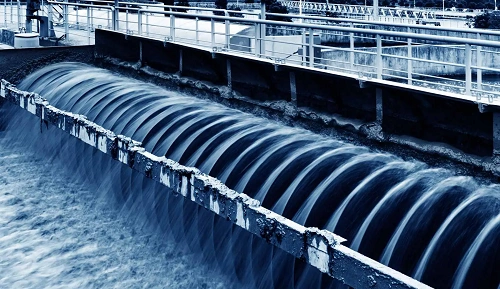
Wastewater is the fastest-evolving segment of the industry. India still treats only a fraction of the sewage it generates, creating both environmental risk and investment opportunity.
In 2026, cities and industries are increasingly focusing on treated wastewater reuse for construction, landscaping, and industrial processes, reducing dependence on freshwater sources.
4. Industrial and Commercial Water Management
Industries such as power, steel, chemicals, textiles, and data centres require large and reliable water supplies. Regulatory pressure and sustainability goals are pushing these sectors toward zero liquid discharge (ZLD), recycling, and efficient water usage.
Industrial water solutions command higher margins and technology intensity compared to municipal supply.
5. Climate Change and Water Stress
Erratic rainfall, declining groundwater levels, and regional water scarcity are forcing long-term planning. States facing chronic water stress are investing in desalination, river-linking, and large-scale storage projects.
Climate resilience has become a core driver of water infrastructure investment.
Segment-wise Performance
a. Drinking Water Supply
Drinking water infrastructure forms the backbone of the industry. Demand is stable and policy-driven. However, revenue models remain constrained by low tariffs and political sensitivity.
b. Wastewater and Sewage Treatment
This segment offers the strongest growth potential. New sewage treatment plants (STPs), upgrades of existing facilities, and reuse pipelines are expanding rapidly, especially in urban centres.
c. Irrigation and Agricultural Water
Irrigation remains the largest consumer of water. Investments focus on canal modernisation, micro-irrigation, and water-efficient farming practices. Growth is steady but value per unit remains low.
d. Industrial Water and ZLD Solutions
Industrial water management is one of the most attractive segments. Advanced treatment, recycling systems, and digital monitoring solutions are gaining adoption across sectors.
e. Packaged Drinking Water
Packaged and bottled water continues to grow due to urban lifestyles and water quality concerns. However, this segment faces rising regulatory and environmental scrutiny.
Competitive Landscape
The water industry is fragmented but evolving. Large engineering and infrastructure companies dominate EPC (engineering, procurement, construction) projects, while specialised firms provide treatment technologies, membranes, chemicals, and digital solutions.
Private operators increasingly manage water utilities under long-term contracts, particularly in treatment and O&M roles. Startups are also emerging in areas such as water monitoring, leak detection, and analytics.
Despite growing private participation, the public sector remains the primary decision-maker and financier.
Key Challenges in 2026
1. Infrastructure Gaps
Aging pipelines, high leakage rates, and insufficient treatment capacity limit system efficiency. Upgrading legacy infrastructure requires large capital outlays and long execution timelines.
2. Financial Sustainability
Water tariffs remain low and politically sensitive. Many utilities struggle to recover costs, limiting reinvestment and operational efficiency.
3. Groundwater Depletion
Over-extraction of groundwater poses a serious long-term threat. Regulation enforcement remains uneven across states.
4. Fragmented Governance
Water is governed by multiple agencies at central, state, and local levels. Coordination gaps slow project execution and policy implementation.
5. Environmental and Social Concerns
Large projects face environmental clearances, land acquisition issues, and public resistance. Balancing development with ecological protection is a persistent challenge.
Structural Shifts Visible in 2026
Several long-term trends are reshaping the industry:
- Shift from freshwater extraction to reuse and recycling
- Growing role of private operators and PPP models
- Increased focus on digital monitoring and efficiency
- Expansion of industrial water solutions
- Rising importance of climate-resilient infrastructure
The industry is moving from supply expansion to resource optimisation.
Forecast: Water Industry Outlook (2026–2030)
Short-Term Outlook (2026–2027)
- Strong government-led infrastructure spending
- Rapid growth in wastewater treatment projects
- Increasing private sector participation
Medium-Term Outlook (By 2030)
By 2030, India’s water industry could exceed ₹10 trillion in size. Growth will depend on:
- Expansion of wastewater reuse
- Sustainable tariff and financing models
- Industrial demand for advanced water solutions
- Climate adaptation investments
Value growth is expected to outpace volume growth as technology-intensive segments expand.
Final Perspective
In 2026, India’s water industry stands at a turning point. The challenge is no longer just providing water, but managing it sustainably, efficiently, and equitably. Demand pressures are real, but so are the opportunities for innovation, investment, and reform.
The future of the sector will be shaped by how effectively India can combine infrastructure, technology, governance, and public awareness—turning water from a growing constraint into a managed national asset.