Snacks industry in India 2026 is no longer a side category within packaged foods. It has become a daily-consumption business, driven by changing lifestyles, urbanisation, and rising demand for convenience. Snacks are now eaten at multiple points during the day—between meals, while travelling, during work breaks, and as evening refreshments. This shift has transformed snacks from an occasional indulgence into a high-frequency purchase.
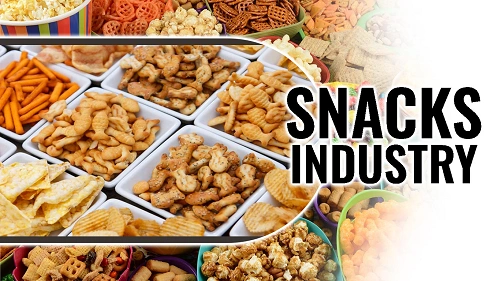
The industry today covers a wide range of products: traditional namkeens and mixtures, potato chips and wafers, extruded snacks, bakery items, and a growing range of baked, roasted, and health-oriented options. Demand is strong across age groups and income levels, but competition is intense. While volumes continue to grow, companies are operating in a market where pricing power is limited and innovation cycles are short.
This article breaks down the current size of India’s snacks industry in 2026, the factors driving its expansion, the problems it faces, and what the future holds.
Quick Overview: Snacks Industry in India (2026)
| Aspect | Status |
| Total industry size | ₹55,000–60,000 crore |
| Annual growth rate | ~9–11% |
| Organised sector share | ~55% |
| Major categories | Chips, namkeens, extruded snacks, bakery |
| Fastest-growing segment | Extruded & baked snacks |
| Key demand drivers | Convenience, urbanisation |
| Distribution | Kirana stores, modern retail, e-commerce |
| Industry stage | High-volume growth with gradual health shift |
Industry Size and Structure (2026)
By 2026, India’s snacks industry is estimated to be worth ₹55,000–60,000 crore, making it one of the largest segments within the packaged food market. The category includes western-style snacks such as chips and puffs, traditional Indian namkeens, biscuits and rusks, and newer functional snack formats.
The industry structure remains split between organised and unorganised players. Large branded companies dominate urban markets, modern trade, and e-commerce. At the same time, thousands of small, unorganised manufacturers continue to serve local tastes, especially in Tier-3 cities and rural areas.
Traditional snacks still account for a large share of consumption, but packaged and branded products are steadily gaining ground due to better hygiene, longer shelf life, consistent taste, and wider availability. The organised segment is growing faster than the overall market, supported by distribution expansion and marketing investments.
Key Growth Drivers in 2026
1. Rising Snacking Frequency
One of the biggest drivers of growth is how often people snack. Changing work patterns, longer commuting hours, and flexible schedules have increased the number of eating occasions during the day. Snacks are increasingly replacing small meals, especially among students and working professionals.
This shift has raised per-capita consumption even when overall population growth is moderate.
2. Urbanisation and Convenience Culture
Urban lifestyles strongly favour ready-to-eat foods. Consumers prefer snacks that are portable, affordable, and easy to consume without preparation. Small pack sizes priced between ₹5 and ₹20 remain critical in driving mass volumes and impulse purchases.
Convenience stores, highway outlets, office canteens, and local kirana shops remain the backbone of snack distribution.
3. Strong Branding and Distribution Reach
Large FMCG players benefit from deep and wide distribution networks, ensuring snack availability across geographies. Brands backed by companies such as PepsiCo India and ITC Foods enjoy high recall, shelf visibility, and scale advantages.
Aggressive advertising, celebrity endorsements, and frequent new launches help these brands stay top-of-mind in a crowded market.
4. Flavour Innovation and Localisation
Indian consumers respond strongly to flavours. Regional spice profiles, fusion flavours, and limited-edition variants are key tools for driving repeat purchases. Companies continuously refresh portfolios to prevent consumer fatigue and counter competition.
Localised flavours also help national brands penetrate regional markets more effectively.
5. Growing Demand for Healthier Snacks
Health awareness is beginning to influence snacking habits, especially in urban areas. While taste remains the primary decision factor, demand is rising for baked, roasted, millet-based, and low-oil snacks.
This segment is still smaller than traditional fried snacks but is growing faster and attracting premium pricing.
Segment-wise Performance
a. Chips and Wafers
Chips remain the largest organised snack category by value. Demand is driven by impulse consumption and strong branding. However, price sensitivity is high, and margins are closely monitored.
b. Namkeens and Traditional Snacks
Traditional Indian snacks continue to dominate volumes. Packaged namkeens are gaining share from loose snacks due to hygiene concerns and brand trust.
c. Extruded Snacks
Extruded snacks such as puffs and curls are among the fastest-growing segments. They are affordable, easy to flavour, and popular with children and teenagers.
d. Bakery Snacks
Biscuits and rusks remain everyday staples in Indian households. Growth is steady, supported by daily consumption rather than impulse buying.
e. Health and Functional Snacks
Still niche, but expanding. Urban consumers are increasingly experimenting with healthier alternatives, especially in higher price bands.
Competitive Landscape
The snacks industry is extremely competitive. Large FMCG companies compete with strong regional brands and thousands of local manufacturers. Price wars, promotional discounts, and frequent product launches are common.
Organised players benefit from quality control, marketing budgets, and distribution strength. Unorganised players compete aggressively on price and local taste preferences, especially in smaller markets.
Key Challenges in 2026
1. Rising Input Costs
Edible oil, wheat, maize, packaging, and transportation costs remain volatile. Since snacks are price-sensitive, passing on cost increases without affecting volumes is difficult.
2. Margin Pressure
Heavy competition and discounting keep margins tight. Smaller players struggle to invest in branding, technology, and innovation.
3. Health and Regulatory Scrutiny
Increasing focus on fat, salt, and sugar content could lead to stricter labelling and advertising norms, particularly for products aimed at children.
4. Short Product Lifecycles
Flavours and formats can lose relevance quickly. Continuous innovation increases operational complexity and inventory risk.
5. Fragmented Unorganised Sector
The presence of a large unorganised base limits pricing discipline and creates uneven quality standards across the industry.
Structural Shifts Shaping the Industry
Several long-term trends are clearly visible in 2026:
- Shift from loose to packaged snacks
- Growth of small, affordable pack sizes
- Rising demand for baked and healthier options
- Stronger role of branding and advertising
- Deeper penetration into Tier-2 and Tier-3 cities
The industry is moving from occasional snacking to habitual consumption.
Forecast: Snacks Industry Outlook (2026–2030)
Short-Term (2026–2027)
- Strong volume growth driven by affordability
- Continued flavour and format innovation
- Intense competition and pricing pressure
Medium-Term (By 2030)
By 2030, India’s snacks industry could exceed ₹90,000 crore in size. Growth will depend on:
- Expansion of healthier snack categories
- Deeper rural and semi-urban reach
- Stable raw material costs
- Strong brand differentiation
Traditional snacks and modern formats are expected to coexist rather than replace each other.
Final Takeaway
In 2026, India’s snacks industry is large, fast-moving, and deeply woven into daily life. Growth remains strong, but competition is relentless and margins are thin.
Brands that can balance taste, price, availability, and gradual health improvements will continue to succeed in one of India’s most crowded yet rewarding FMCG categories.