In 2026, India’s pet food industry has moved from being a niche urban category to a fast-emerging segment of the broader FMCG and animal nutrition market. Pet ownership in India is undergoing a cultural shift—pets are increasingly treated as family members rather than guard animals. This change is reshaping how owners think about nutrition, health, and long-term care.
What defines the pet food industry in 2026 is behavioural transformation backed by rising spending power. While home-cooked food for pets is still common, especially outside metros, packaged pet food is steadily gaining acceptance due to convenience, perceived nutritional balance, and veterinary recommendations. Growth is strong, but the market remains under-penetrated compared to global standards.
This article examines the size of India’s pet food industry in 2026, the drivers behind its expansion, the challenges shaping adoption, and what the sector’s future is likely to look like.
Pet Food Industry in India Quick Overview
| Aspect | Status |
| Total industry size | ₹5,500–6,000 crore |
| Annual growth rate | ~18–20% |
| Dominant pet category | Dogs (~85% of demand) |
| Organised sector share | ~95% |
| Imported product share | Declining steadily |
| Key formats | Dry food, wet food, treats |
| Consumption base | Urban-led, expanding outward |
| Industry stage | Early high-growth phase |
Pet Food Industry Size and Structure (2026)
By 2026, India’s pet food industry is estimated to be worth ₹5,500–6,000 crore, making it one of the fastest-growing segments within packaged foods. Although small in absolute size, the industry’s growth rate far exceeds most traditional FMCG categories.
The market is highly organised and brand-driven, with minimal presence of unorganised players. Historically, imports dominated premium and specialised pet food categories. By 2026, domestic manufacturing has expanded significantly, especially in dry dog food and treats, improving availability and pricing.
The industry can be broadly segmented into:
- Dog food, which accounts for the majority of volumes and value
- Cat food, smaller but growing faster in urban centres
- Treats and supplements, high-margin, discretionary products
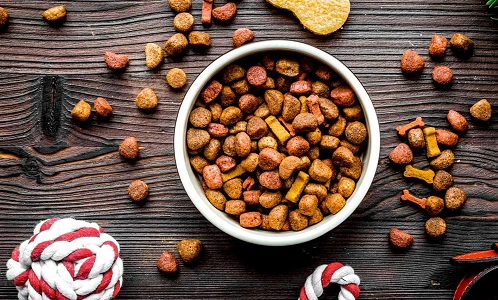
Dry pet food remains the most widely consumed format due to affordability, shelf life, and convenience.
Pet Food Industry in India – Key Growth Drivers in 2026
1. Rising Pet Ownership and Nuclear Families
Urbanisation, nuclear family structures, and delayed parenthood have contributed to rising pet adoption. Dogs, in particular, are increasingly viewed as companions, driving sustained spending on food and healthcare.
This structural shift supports long-term demand growth.
2. Humanisation of Pets
Pet owners increasingly seek nutrition similar in quality to human food. Balanced diets, breed-specific formulas, and life-stage-based products are gaining traction.
This trend has moved pet food from a functional purchase to a care-oriented decision.
3. Veterinary and Professional Influence
Veterinarians play a critical role in recommending packaged pet food, especially for puppies, senior pets, and animals with specific health needs.
Professional endorsement builds trust and accelerates adoption.
4. Growth of E-Commerce and Speciality Retail
Online platforms and pet-specialty stores have transformed access to pet food, particularly in Tier-1 and Tier-2 cities. Subscription models and doorstep delivery improve convenience and repeat purchases.
Digital channels are central to category growth.
5. Increased Awareness of Pet Health
Concerns around obesity, digestion, coat health, and allergies are pushing owners toward formulated pet food and supplements. Preventive care is becoming more common.
Pet Food Industry Segment-wise Performance
a. Dry Dog Food
This is the largest segment by volume and value. Growth is driven by affordability, nutritional completeness, and ease of storage.
b. Wet Food
Wet food is growing faster but remains a smaller share due to higher pricing. It is often used as a topper or occasional meal.
c. Cat Food
Cat food is a smaller segment but shows strong growth in metros. Adoption is linked to apartment living and lower maintenance preferences.
d. Treats and Supplements
Treats, chews, and supplements are high-margin products. They benefit from impulse buying and emotional spending by pet owners.
Competitive Landscape
India’s pet food industry is brand-led and increasingly competitive. Global brands remain strong in premium categories, while Indian manufacturers are gaining share in mass and mid-premium segments.
Competition is shaped by:
- Ingredient quality and nutritional claims
- Brand trust and veterinary endorsement
- Pricing and pack-size flexibility
- Distribution reach, especially online
Private-label and regional brands are emerging but remain limited in scale.
Pet Food Industry Key Challenges in 2026
1. Low Penetration Outside Urban Markets
A large share of pet owners still rely on home-cooked food, particularly in Tier-3 cities and rural areas. Changing long-held habits takes time.
2. Price Sensitivity
Pet food remains relatively expensive for many households. Premium products, in particular, face adoption barriers beyond affluent urban consumers.
3. Awareness and Education Gap
Many owners lack understanding of pet nutrition. Misconceptions around packaged food being “unnatural” persist in some segments.
4. Supply Chain and Ingredient Costs
Protein inputs and specialised ingredients are subject to price volatility. Managing costs while maintaining quality is a constant challenge.
5. Regulatory and Quality Compliance
As the category grows, regulatory oversight is increasing. Ensuring consistent quality and compliance adds to operating costs, especially for smaller players.
Structural Shifts Visible in 2026
Several long-term trends are shaping the pet food industry:
- Shift from home-cooked to packaged diets
- Faster growth in cat food and specialised nutrition
- Rising dominance of digital and subscription channels
- Expansion of domestic manufacturing
- Growing demand for functional and health-oriented products
The industry is transitioning from awareness-building to habit formation.
Forecast: Pet Food Industry Outlook (2026–2030)
Short-Term Outlook (2026–2027)
- Continued high double-digit growth
- Expansion into Tier-2 cities
- Increased competition in mid-priced segments
Medium-Term Outlook (By 2030)
By 2030, India’s pet food industry could reach ₹12,000–15,000 crore in size. Growth will depend on:
- Deeper penetration beyond metros
- Education around pet nutrition
- Expansion of affordable product ranges
- Strong veterinary and retail partnerships
Value growth is expected to remain strong as pet care spending increases.
Final Perspective
In 2026, India’s pet food industry is at the start of a long growth runway. Changing lifestyles, emotional attachment to pets, and rising disposable incomes are fundamentally reshaping the category.
The future belongs to brands that can build trust, educate consumers, and balance nutrition with affordability. As pet ownership becomes more mainstream, pet food will move from being a discretionary expense to a household essential in urban India.