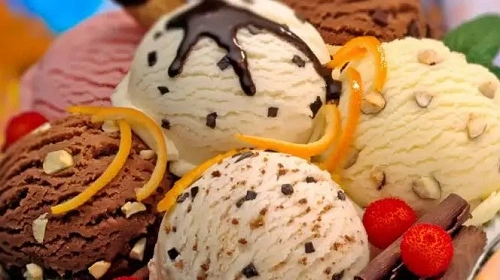
In 2026, India’s ice cream industry has moved well beyond its old identity as a summer-only indulgence. Ice cream is now a year-round, mass-premium category, consumed across age groups, income levels, and geographies. From impulse sticks and cups to family tubs, artisanal scoops, and low-sugar variants, the category has expanded both in form and frequency of consumption.
What defines the ice cream industry in 2026 is scale with sophistication. Volumes remain driven by affordable mass products, but value growth is increasingly coming from premiumisation, flavour innovation, and wider cold-chain penetration. At the same time, the industry faces persistent challenges around seasonality, logistics costs, and rising input prices.
This article breaks down the current size of India’s ice cream industry in 2026, the factors driving its growth, the challenges it faces, and what the future holds.Lets check it out.
Quick Overview: Ice Cream Industry in India
| Aspect | Status |
| Total industry size | ₹27,000–30,000 crore |
| Annual growth rate | 9–11% |
| Per capita consumption | 400–450 ml/year |
| Organised sector share | 65–70% |
| Major formats | Sticks, cups, tubs, cones |
| Key demand drivers | Urbanisation, impulse buying |
| Cold-chain dependence | Very high |
| Industry stage | Expanding with premium tilt |
Industry Size and Structure
By 2026, India’s ice cream industry is estimated to be worth ₹27,000–30,000 crore, making it one of the fastest-growing segments within the dairy and frozen dessert space. While ice cream consumption in India is still low compared to developed markets, the sheer population base offers enormous headroom for growth.
The industry structure is semi-organised:
- Large national and regional organised brands dominate urban and semi-urban markets
- Strong regional players cater to local tastes and pricing sensitivities
- A small but growing artisanal and boutique segment operates in metros
- Unorganised players still exist, especially in rural and seasonal markets
Products range from mass-priced impulse items to premium tubs and scoops, with pricing strategies designed to maximise frequency rather than basket size.
Key Growth Drivers in 2026
1. Rising Urbanisation and Disposable Incomes
Urban and semi-urban consumers are driving most of the growth. Rising incomes, modern retail access, and changing lifestyles have made ice cream a routine purchase rather than an occasional treat.
Tier-2 and Tier-3 cities are emerging as important volume contributors.
2. Expansion of Cold-Chain Infrastructure
Improved cold storage, refrigerated transport, and freezer placement at retail outlets have expanded reach significantly. Better cold-chain reliability reduces spoilage and supports wider distribution.
This infrastructure push is critical to year-round availability.
3. Premiumisation and Flavour Innovation
While mass products dominate volumes, premium ice creams—featuring international flavours, indulgent inclusions, and better texture—are growing faster by value.
Innovative flavours inspired by Indian desserts and fruits are helping brands differentiate.
4. Growth of Modern Retail and Quick Commerce
Modern trade, convenience stores, and quick-commerce platforms have increased impulse purchases. Fast delivery of frozen products has opened new consumption occasions, especially in urban areas.
Digital ordering is now a meaningful contributor to urban sales.
5. Youth and Family Consumption Patterns
Ice cream continues to appeal strongly to children and young consumers, while family packs and tubs support group consumption at home.
Celebration and dessert replacement use cases are expanding steadily.
Segment-wise Performance
Impulse Ice Cream (Sticks & Cups): This remains the largest segment by volume. Low price points and high visibility drive frequent purchases, but margins are thin.
Family Packs and Tubs: Tubs are growing faster than impulse products by value. They benefit from home consumption trends and offer better margins.
Premium and Artisanal Ice Cream: This segment is small but expanding quickly in metros. Premium pricing, niche flavours, and experiential formats define this category.
Health-Oriented and Low-Sugar Variants: Sugar-reduced, protein-based, and dairy-free options are gaining attention, though still limited in scale due to pricing and taste trade-offs.
Competitive Landscape
The ice cream industry in India is intensely competitive and distribution-driven. Large organised players dominate freezer space, advertising, and national logistics, while regional brands compete on local taste preferences and pricing.
Key competitive factors include:
- Distribution reach and freezer placement
- Pricing and pack-size strategy
- Flavour innovation and brand recall
- Cold-chain efficiency
Barriers to entry are high due to capital-intensive cold-chain requirements, but regional expansion remains feasible with focused execution.
Key Challenges in 2026
1. High Cold-Chain and Logistics Costs
Ice cream requires uninterrupted refrigeration from factory to consumer. Energy costs, fuel prices, and freezer maintenance significantly impact profitability.
2. Seasonality of Demand
Despite year-round availability, consumption still peaks in summer months. Managing capacity utilisation during off-season periods remains a challenge.
3. Rising Input Costs
Milk solids, sugar, cocoa, packaging, and energy costs have increased. Passing these costs to consumers risks demand elasticity, especially in mass segments.
4. Health and Nutrition Concerns
Growing awareness about sugar and fat intake affects perception, particularly among urban consumers. Balancing indulgence with healthier positioning is complex.
5. Retail Dependence
A large share of sales depends on small retailers. Freezer downtime, power cuts, and retailer incentives affect sales consistency.
Structural Shifts Visible in 2026
Several long-term trends are shaping the industry:
- Shift from seasonal to year-round consumption
- Faster growth in Tier-2 and Tier-3 cities
- Rising share of tubs and family packs
- Emergence of premium and artisanal brands
- Increased role of quick-commerce platforms
The industry is transitioning from impulse-only consumption to planned home indulgence.
Forecast: Ice Cream Industry Outlook (2026–2030)
Short-Term Outlook (2026–2027)
- Strong growth driven by urban demand
- Continued premiumisation in metros
- Margin pressure from input and logistics costs
Medium-Term Outlook (By 2030)
By 2030, India’s ice cream industry could reach ₹45,000–50,000 crore in size. Growth will depend on:
- Expansion of cold-chain infrastructure
- Wider acceptance of premium and health-oriented products
- Penetration into smaller towns and rural markets
- Cost optimisation across supply chains
Value growth is expected to outpace volume growth as premium products gain share.
Final Perspective
In 2026, India’s ice cream industry stands at an inflection point. Demand fundamentals are strong, consumer acceptance is broadening, and infrastructure is improving—but operational discipline remains crucial.
The brands that succeed over the next decade will be those that combine distribution strength, flavour innovation, and cost control, while adapting to changing health expectations. Ice cream in India is no longer just about beating the heat—it is becoming a regular, planned indulgence in everyday life.