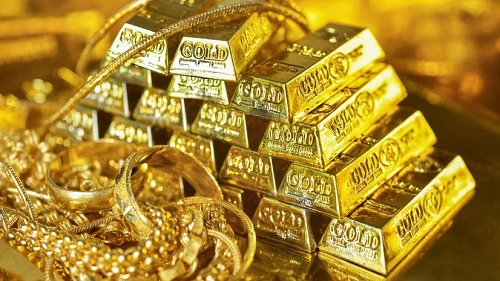
In 2026, India’s gold industry remains unlike any other commodity market in the country. Gold is not just a metal—it is savings, security, tradition, and status rolled into one. From weddings and festivals to investment portfolios and central bank reserves, gold plays a multi-dimensional role in Indian economic and cultural life.
What makes the gold industry distinctive is its dual identity. On one side, it is a deeply emotional consumer product driven by tradition and social customs. On the other, it is a globally traded financial asset influenced by interest rates, currency movements, geopolitics, and monetary policy. In 2026, this duality is more visible than ever.
This article breaks down the current size of India’s gold industry in 2026, the factors driving its growth, the challenges it faces, and what the future holds—using a structured, professional lens.
Quick Overview: Gold Industry in India
| Aspect | Status |
| Total industry size | ₹6.5–7.0 trillion |
| Annual demand | 700–750 tonnes |
| Global position | 2nd largest consumer |
| Import dependence | 90% |
| Major demand segments | Jewellery, investment |
| Organised sector share | ~35–40% |
| Key drivers | Weddings, inflation hedge |
| Industry stage | Formalising, policy-sensitive |
Industry Size and Structure
By 2026, India’s gold industry is estimated to be worth ₹6.5–7.0 trillion, encompassing jewellery manufacturing, bullion trade, retail sales, recycling, and investment-linked products such as gold ETFs and sovereign gold bonds.
India consumes far more gold than it produces. Domestic mining contributes only a small fraction of demand, making imports the backbone of supply. Gold enters the country primarily in bullion form, which is then converted into jewellery or investment products by manufacturers and retailers.
The industry structure includes:
- Gold imports and bullion trading
- Jewellery manufacturing and fabrication
- Retail jewellery sales, both organised and unorganised
- Investment channels, including bars, coins, ETFs, and bonds
- Recycling and old gold exchange
Jewellery accounts for roughly two-thirds of total gold demand, while investment demand fluctuates based on macroeconomic conditions and price expectations.
Key Growth Drivers in 2026
1. Cultural and Wedding Demand
Gold remains central to Indian weddings and festivals. Despite rising prices, wedding-related demand continues, as gold is seen as both adornment and long-term security.
Urban weddings may shift toward lighter designs, but volumes remain resilient.
2. Investment Demand and Wealth Protection
In times of economic uncertainty, gold retains its appeal as a hedge against inflation, currency depreciation, and financial volatility. In 2026, global uncertainty continues to support investment demand.
Gold ETFs, digital gold, and bonds have expanded access beyond traditional jewellery purchases.
3. Rising Formalisation and Trust in Branded Jewellery
Consumers increasingly prefer organised, branded jewellers that offer transparency in pricing, purity certification, and buy-back guarantees. This shift supports value growth even when volumes are stable.
Hallmarking has improved consumer confidence across markets.
4. Financialisation of Gold
Gold is steadily becoming a financial asset rather than just physical jewellery. ETFs, sovereign bonds, and digital platforms are changing how urban investors access gold.
This reduces storage risk and improves liquidity.
5. Recycling and Exchange Programs
High prices have encouraged recycling of old gold. Exchange schemes offered by jewellers have improved supply circulation and reduced net import requirements.
Segment-wise Performance
a. Jewellery
Jewellery remains the largest segment by value and volume. Demand is steady but sensitive to price spikes. Design innovation, lightweight jewellery, and regional customisation drive sales.
b. Investment Gold (Bars and Coins)
This segment sees sharp fluctuations. Demand rises during economic uncertainty and falls when prices stabilise or equity markets perform well.
c. Gold ETFs and Bonds
Paper gold products continue to grow, particularly among urban and younger investors. While still smaller than physical gold, this segment is gaining acceptance.
d. Recycling and Scrap Gold
Recycling has become a structural supply source. High prices incentivise households to monetise idle gold, improving industry efficiency.
Competitive Landscape
India’s gold industry is fragmented at the retail level but consolidating steadily. Large national and regional jewellery chains dominate organised retail, while a large unorganised sector continues to operate in smaller towns and rural areas.
Competition is driven by:
- Trust and brand reputation
- Design and craftsmanship
- Transparent pricing and buy-back policies
- Retail experience
Organised players are gaining share, especially in urban and Tier-2 markets.
Key Challenges in 2026
1. High Import Dependence
India imports most of its gold, exposing the industry to currency volatility, global price swings, and trade policy changes. Import bills directly impact the current account deficit.
2. Price Volatility
Gold prices are influenced by global interest rates, geopolitics, and investor sentiment. Sudden price movements affect consumer demand and working capital requirements for jewellers.
3. Regulatory and Tax Complexity
Customs duties, GST, compliance requirements, and reporting norms add to operational complexity, particularly for smaller players.
4. Working Capital Intensity
Jewellery businesses are capital-intensive, with high inventory holding costs. Managing cash flow during periods of price volatility remains challenging.
5. Shift in Consumer Preferences
Younger consumers prefer lighter jewellery, fashion-oriented designs, or non-gold alternatives. This affects volume growth even as value rises.
Structural Shifts Visible in 2026
Several long-term trends are shaping the gold industry:
- Gradual shift from unorganised to organised retail
- Growth of hallmarking and purity awareness
- Expansion of gold-backed financial products
- Increased recycling and exchange-led supply
- Focus on lightweight and modern designs
The industry is moving from tradition-driven buying to trust- and transparency-led consumption.
Forecast: Gold Industry Outlook (2026–2030)
Short-Term Outlook (2026–2027)
- Stable demand with seasonal fluctuations
- Continued investor interest amid global uncertainty
- Rising share of organised and digital channels
Medium-Term Outlook (By 2030)
By 2030, India’s gold industry could exceed ₹9 trillion in value. Growth will depend on:
- Income growth and urban consumption
- Stability in global gold prices
- Expansion of financial gold products
- Continued formalisation and compliance
Volume growth will remain moderate, but value growth is expected to stay strong due to price appreciation and branding.
Final Perspective
In 2026, India’s gold industry stands at the crossroads of heritage and modern finance. The emotional bond with gold remains intact, but how Indians buy, store, and invest in gold is changing steadily.
The future of the industry will be shaped not by how much gold India consumes, but by how transparently, efficiently, and responsibly it integrates gold into a modern financial and consumer ecosystem without losing the cultural roots that make gold timeless in India.