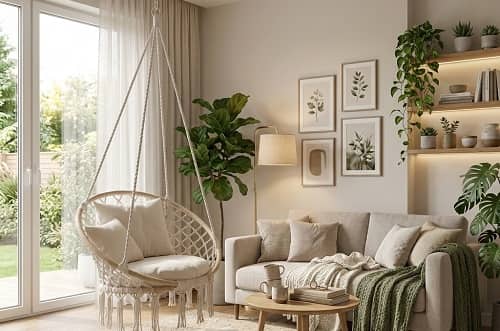
India furniture industry stands at a transition point between tradition and modern living in 2026. Furniture is no longer viewed only as a long-term, one-time purchase made through local carpenters. It is increasingly seen as a lifestyle category shaped by urban housing patterns, interior design awareness, work-from-home culture, and organised retail formats.
What defines the furniture industry in 2026 is steady expansion with structural formalisation. Demand is rising across homes, offices, hospitality, and institutions, while the industry itself is slowly shifting from an unorganised, craft-driven model toward branded, modular, and factory-made furniture. Growth is visible, but it comes with challenges around logistics, raw material costs, and consumer price sensitivity.
This article examines the size of India’s furniture industry in 2026, the key drivers supporting growth, the challenges shaping the sector, and the outlook for the coming years.
Quick Overview: Furniture Industry in India
| Aspect | Status |
| Total industry size | ₹2.1–2.3 trillion |
| Annual growth rate | 8–9% |
| Organised sector share | 20–25% |
| Dominant segments | Home & office furniture |
| Raw materials | Wood, plywood, metal |
| Import dependence | Moderate (components & fittings) |
| Key demand drivers | Housing, urbanisation |
| Industry character | Fragmented, formalising |
Industry Size and Structure
By 2026, India’s furniture industry is estimated to be worth ₹2.1–2.3 trillion, making it one of the largest consumer durable categories in the country. The market includes home furniture, office furniture, institutional furniture, hospitality furniture, and customised interior solutions.
The industry structure remains highly fragmented:
- A large unorganised segment dominated by local carpenters and small workshops
- Regional manufacturers supplying semi-finished and finished furniture
- A growing organised segment led by branded retailers, modular furniture companies, and e-commerce-led players
While the unorganised sector still accounts for the majority of volumes, organised players are gaining share rapidly in urban and semi-urban markets due to standardisation, financing options, and after-sales service.
Key Growth Drivers in 2026
1. Urbanisation and Housing Demand
Urban housing construction continues to support baseline furniture demand. New homes require essential furniture such as beds, wardrobes, sofas, and dining sets.
Smaller apartment sizes are increasing demand for space-efficient and modular furniture.
2. Work-from-Home and Hybrid Work Culture
The continuation of hybrid work has created sustained demand for home office furniture—chairs, desks, storage units, and ergonomic solutions.
This segment did not fade after the pandemic and has become a permanent demand driver.
3. Rise of Organised and Modular Furniture
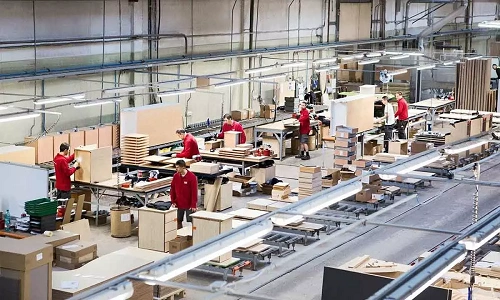
Consumers increasingly prefer factory-made furniture for consistent quality, faster delivery, and warranty support. Modular kitchens, wardrobes, and storage solutions are gaining traction in urban homes.
This shift supports higher value per customer.
4. Growth of E-Commerce and Omnichannel Retail
Online furniture platforms have improved product discovery, price transparency, and delivery reach. Omnichannel models allow customers to browse online and purchase in-store or vice versa.
Easy financing and replacement policies are lowering purchase hesitation.
5. Hospitality and Commercial Infrastructure Expansion
Hotels, co-working spaces, educational institutions, and healthcare facilities continue to invest in furniture as part of expansion and renovation cycles.
Institutional demand provides volume stability to manufacturers.
Segment-wise Performance
a. Home Furniture
Home furniture is the largest segment by value. Living room and bedroom furniture dominate demand, followed by modular kitchens and storage solutions.
Urban markets drive most of the value growth.
b. Office and Workspace Furniture
Office furniture demand has stabilised after pandemic disruption. Growth now comes from co-working spaces, startups, and flexible offices rather than large corporate campuses.
c. Institutional and Hospitality Furniture
This segment includes furniture for hotels, hospitals, schools, and government buildings. Orders are project-based but large in size.
d. Modular Furniture
Modular furniture is among the fastest-growing segments. Standardised designs, faster installation, and space optimisation appeal to urban consumers.
Competitive Landscape
India’s furniture industry is fragmented but becoming more competitive. Local carpenters compete on customisation and price, while organised players compete on design, brand trust, and service.
Competition is influenced by:
- Design and finish quality
- Price and financing options
- Delivery timelines and installation
- After-sales support
Organised brands benefit from scale, sourcing efficiency, and marketing reach.
Key Challenges in 2026
1. Dominance of the Unorganised Sector
A large unorganised base leads to uneven quality, pricing inconsistency, and limited tax compliance. This makes organised competition challenging in price-sensitive markets.
2. Raw Material Price Volatility
Prices of wood, plywood, MDF, steel, and fittings fluctuate, affecting margins. Sustainable wood sourcing adds further cost pressure.
3. Logistics and Installation Complexity
Furniture is bulky and fragile. Transport, warehousing, and installation add significant cost and operational complexity.
4. Price Sensitivity and Replacement Cycles
Furniture purchases are infrequent. Consumers are highly price-conscious, especially outside metros.
5. Skill and Design Gaps
Modern furniture manufacturing requires skilled labour, design capability, and automation. Skill shortages slow productivity gains.
Structural Shifts Visible in 2026
Several long-term trends are reshaping the industry:
- Gradual shift from carpenter-made to factory-made furniture
- Rising demand for modular and space-saving designs
- Increased role of digital discovery and online sales
- Growth of financing and EMI-based purchases
- Slow but steady formalisation of the sector
The industry is moving from craft-led production to system-led manufacturing.
Forecast: Furniture Industry Outlook (2026–2030)
Short-Term Outlook (2026–2027)
- Stable growth driven by housing and home upgrades
- Faster expansion of modular and organised retail
- Margin pressure from input and logistics costs
Medium-Term Outlook (By 2030)
By 2030, India’s furniture industry could reach ₹3.2–3.5 trillion in size. Growth will depend on:
- Faster formalisation and organised sector expansion
- Adoption of modular and standardised designs
- Improved supply chain and logistics efficiency
- Rising urban disposable incomes
Value growth is expected to outpace volume growth as consumers trade up.
Final Perspective
In 2026, India’s furniture industry is evolving steadily rather than dramatically. Tradition still matters, but convenience, design, and reliability are becoming equally important.
The future of the industry lies in balancing affordability with modern living needs—offering well-designed, durable, and space-efficient furniture while gradually bringing a fragmented sector into a more organised and scalable framework.