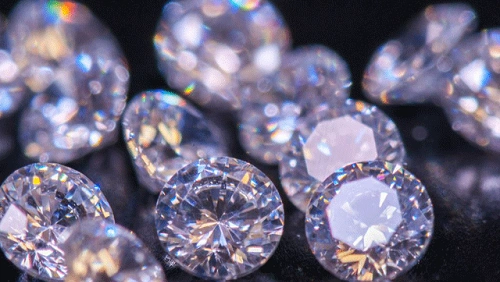
Diamond industry in India remains a cornerstone of the global gems and jewellery value chain in 2026. While India does not mine diamonds at scale, it plays a dominant role in cutting, polishing, trading, and setting diamonds for the world. From small workshops in Surat to large export houses supplying international luxury brands, India’s diamond ecosystem combines skill, scale, and cost efficiency in a way few countries can match.
What defines the diamond industry in 2026 is resilience amid transition. Global demand cycles, changing consumer preferences, and the rapid rise of lab-grown diamonds are reshaping the sector. At the same time, India’s unmatched manufacturing capability continues to anchor its global relevance.
This article examines the size of India’s diamond industry in 2026, the drivers supporting growth, the challenges the sector faces, and what the future holds.
Quick Overview: Diamond Industry in India (2026)
| Aspect | Status |
| Total industry size | ₹3.8–4.2 trillion |
| Share of global cutting & polishing | 90% (by pieces) |
| Annual growth rate | 6–7% |
| Export share | 85% of output |
| Major hubs | Surat, Mumbai |
| Organised sector share | High |
| Key segments | Natural & lab-grown diamonds |
| Industry character | Export-driven, skill-intensive |
Industry Size and Structure (2026)
By 2026, India’s diamond industry is estimated to be worth ₹3.8–4.2 trillion, including rough diamond imports, cutting and polishing, trading, jewellery setting, and exports. India processes the vast majority of the world’s diamonds by volume, even though it handles a smaller share by value.
The industry structure is export-oriented and clustered:
- Rough diamond importers and traders, mainly operating out of Mumbai
- Cutting and polishing units, concentrated in Surat and surrounding regions
- Export houses, supplying polished diamonds to the US, Europe, and Asia
- Jewellery manufacturers, integrating diamonds into finished products
The sector employs millions directly and indirectly, making it one of India’s most employment-intensive export industries.
Key Growth Drivers in 2026
1. Global Demand for Diamond Jewellery
Despite periodic slowdowns, global demand for diamond jewellery remains resilient, particularly in the US, India, and parts of the Middle East. Diamonds continue to symbolise celebration, commitment, and luxury.
Indian exporters benefit from long-standing relationships with global buyers.
2. Rise of Domestic Jewellery Consumption
India’s own jewellery market is expanding steadily. Diamond-studded jewellery is gaining acceptance for weddings, gifting, and everyday wear, especially among urban consumers.
This provides a partial hedge against export volatility.
3. Leadership in Cutting and Polishing
India’s technical expertise, labour efficiency, and ability to handle small and complex stones remain unmatched. Continuous process improvements and automation have improved consistency and yields.
This structural advantage underpins India’s global dominance.
4. Growth of Lab-Grown Diamonds
India has emerged as a major hub for lab-grown diamond (LGD) manufacturing and processing. These diamonds appeal to price-sensitive, sustainability-conscious, and younger consumers.
LGDs are opening new markets while also reshaping pricing dynamics.
5. Formalisation and Transparency
Stricter compliance, traceability norms, and digital documentation are improving industry credibility. Formalisation supports access to finance and global markets.
Segment-wise Performance
a. Natural Diamonds
Natural diamonds remain the largest value contributor. Demand is stable but sensitive to global economic conditions and luxury spending trends.
b. Lab-Grown Diamonds
Lab-grown diamonds are the fastest-growing segment. India is a key producer and processor, with strong export momentum.
c. Polished Diamond Exports
Polished diamonds form the backbone of export earnings. The US remains the largest destination, followed by Europe and Asia.
d. Diamond-Studded Jewellery
Integration with jewellery manufacturing adds value and improves margins. Domestic consumption is driving this segment.
Competitive Landscape
India’s diamond industry is highly competitive but globally integrated. Thousands of firms operate across the value chain, from family-run workshops to large corporate exporters.
Competition is shaped by:
- Cutting quality and yield efficiency
- Cost control and scale
- Access to rough diamond supply
- Compliance and traceability standards
Consolidation is gradually increasing as compliance and financing requirements rise.
Key Challenges in 2026
1. Global Demand Cyclicality
Diamond demand is linked to discretionary spending. Economic slowdowns in key markets directly affect export volumes and prices.
2. Rough Diamond Supply and Pricing
Dependence on imported rough diamonds exposes the industry to supply constraints and price volatility.
3. Rise of Lab-Grown Diamonds
While LGDs create opportunities, they also pressure pricing and consumer perception of natural diamonds. Managing this dual market is a strategic challenge.
4. Working Capital and Financing
Diamond processing is capital-intensive. Tightening credit conditions and stricter compliance norms strain smaller players.
5. Geopolitical and Trade Risks
Sanctions, trade disruptions, and currency movements can impact sourcing and exports.
Structural Shifts Visible in 2026
Several long-term trends are reshaping the industry:
- Growing role of lab-grown diamonds
- Increased automation in cutting and polishing
- Shift toward branded and traceable supply chains
- Gradual consolidation of smaller units
- Stronger linkage with domestic jewellery retail
The industry is transitioning from volume-driven processing to value-driven integration.
Forecast: Diamond Industry Outlook (2026–2030)
Short-Term Outlook (2026–2027)
- Moderate export growth with periodic volatility
- Faster expansion of lab-grown diamond segment
- Continued investment in automation and compliance
Medium-Term Outlook (By 2030)
By 2030, India’s diamond industry could reach ₹5.5–6.0 trillion in size. Growth will depend on:
- Global luxury demand recovery
- Balanced growth of natural and lab-grown diamonds
- Strong compliance and traceability adoption
- Deeper integration with jewellery manufacturing
Value growth is expected to be steady rather than explosive.
Final Perspective
In 2026, India’s diamond industry remains indispensable to the global gem trade, even as it adapts to profound structural changes. Skill, scale, and trust continue to be its core strengths.
The future of the industry lies in embracing transparency, managing the natural–lab-grown balance, and moving up the value chain—from being the world’s workshop to being a strategic, value-driven leader in the diamond ecosystem.