Today India’s advertising industry reflects the country’s broader economic and cultural shifts. Advertising is no longer just about brand visibility; it is about attention, performance, and measurable outcomes. As consumers spend more time online, move across multiple screens, and expect personalised communication, advertising has evolved into a data-led, technology-driven business.
What defines the advertising industry in 2026 is digital dominance with creative reinvention. Traditional media continues to matter, especially television and outdoor, but digital platforms now anchor media planning, budget allocation, and campaign measurement. At the same time, advertisers are under pressure to justify every rupee spent, pushing the industry toward performance metrics, automation, and tighter accountability.
This article looks at the size of India’s advertising industry in 2026, the factors driving its growth, the challenges it faces, and how the sector is expected to evolve over the coming years.
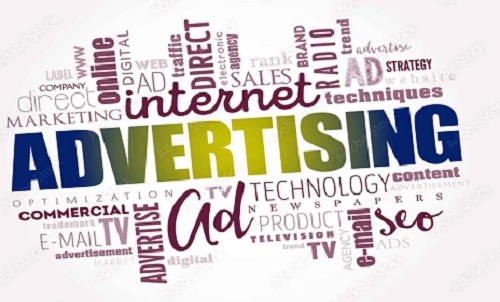
Quick Overview: Advertising Industry in India
| Aspect | Status |
| Total industry size | ₹1.25–1.35 trillion |
| Annual growth rate | ~8–10% |
| Digital ad share | ~55–58% |
| Largest advertiser categories | FMCG, e-commerce, BFSI |
| Traditional media share | ~42–45% |
| Key formats | Digital video, search, TV |
| Regional language ads | Rapidly growing |
| Industry phase | Digital-led consolidation |
Industry Size and Structure
By 2026, India’s advertising industry is estimated to be worth ₹1.25–1.35 trillion, covering spending across digital platforms, television, print, radio, outdoor, cinema, and in-store media. Digital advertising has emerged as the single largest segment, overtaking television in both growth and strategic importance.
The industry structure is multi-layered:
- Advertisers, including large corporates, startups, and SMEs
- Creative agencies, focused on brand strategy and storytelling
- Media agencies, managing planning, buying, and optimisation
- Digital platforms and publishers, which now capture a growing share of ad budgets
- Ad-tech providers, offering data, targeting, and measurement tools
While large advertisers dominate total spend, small and medium businesses increasingly use digital platforms due to lower entry barriers and measurable returns.
Key Growth Drivers in 2026
1. Digital Consumption and Screen Time Growth
Rising smartphone usage, affordable data, and widespread social media adoption continue to expand digital ad inventory. Video streaming, short-form content, and social commerce are creating new advertising surfaces.
Digital advertising benefits directly from India’s young, mobile-first population.
2. Performance-Led Advertising Demand
Brands are increasingly focused on outcomes—leads, conversions, downloads, and sales—rather than reach alone. This shift favours digital formats such as search, social media ads, and programmatic display.
Performance marketing budgets continue to grow faster than brand-only campaigns.
3. Expansion of E-commerce and D2C Brands
E-commerce platforms and direct-to-consumer brands remain heavy advertisers. Customer acquisition, retention, and remarketing require sustained ad spending across digital channels.
This segment contributes significantly to incremental ad growth.
4. Regional and Vernacular Advertising
Advertising in regional languages is expanding rapidly. Brands are investing in localised content to reach audiences in Tier-2 and Tier-3 cities, where consumption growth is strongest.
Regional TV, digital video, and influencer marketing play a key role here.
5. Return of On-Ground and Outdoor Media
With mobility fully restored, outdoor advertising, transit media, and experiential campaigns have regained relevance. Large formats, events, and location-based ads support brand visibility and recall.
Segment-wise Performance
1. Digital Advertising
Digital is the fastest-growing segment, driven by video, social media, search, and influencer marketing. Automation, targeting, and analytics underpin this growth.
2. Television Advertising
Television remains the largest traditional medium. Live sports, entertainment shows, and regional programming continue to attract large audiences and advertiser budgets.
3. Print Advertising
Print advertising continues to decline slowly at the national level but remains relevant in regional and local markets, especially for real estate, education, and government notices.
4. Outdoor and Transit Media
Outdoor advertising has rebounded strongly in metros and large cities. Digital billboards and smart outdoor formats are gaining traction.
5. Influencer and Content Marketing
Influencer marketing has become a mainstream advertising channel. Brands increasingly use creators to build trust and reach niche audiences.
Competitive Landscape
The advertising industry is highly competitive and fragmented. Global agency networks, Indian agency groups, digital-first agencies, and in-house brand teams all compete for share.
Competition is driven by:
- Creative effectiveness and brand insight
- Data and performance capabilities
- Media buying efficiency
- Technology integration
Digital platforms themselves play a powerful role, capturing a growing share of advertiser budgets.
Key Challenges in 2026
a. Fragmented Consumer Attention
Audiences are spread across platforms, apps, and formats. Capturing attention consistently is harder and more expensive than before.
b. Rising Digital Advertising Costs
Competition for premium digital inventory has increased costs, particularly for video and search ads. Margins for agencies and ROI for advertisers are under pressure.
c. Measurement and Attribution Complexity
Tracking the customer journey across devices and platforms remains difficult. Attribution models are evolving, but no single standard has emerged.
d. Ad Fatigue and Trust Issues
Consumers are increasingly wary of intrusive or repetitive advertising. Ad-blocking, skip behaviour, and trust concerns affect campaign effectiveness.
e. Talent and Skill Gaps
Demand for data analysts, performance marketers, and creative technologists outpaces supply. Agencies face ongoing talent retention challenges.
Structural Shifts Visible in 2026
Several long-term changes are shaping the industry:
- Shift from reach-based to outcome-based advertising
- Increasing dominance of digital and video formats
- Growth of in-house brand marketing teams
- Greater use of automation and AI in media buying
- Rising importance of regional and vernacular content
Advertising is evolving from message delivery to engagement engineering.
Forecast: Advertising Industry Outlook (2026–2030)
Short-Term Outlook (2026–2027)
- Continued shift of budgets toward digital media
- Strong demand from e-commerce and FMCG brands
- Gradual recovery in outdoor and experiential advertising
Medium-Term Outlook (By 2030)
By 2030, India’s advertising industry could exceed ₹2.2–2.4 trillion in size. Growth will depend on:
- Expansion of digital and connected-TV advertising
- Better measurement and attribution frameworks
- Sustained consumer spending growth
- Innovation in creative formats and technology
Digital advertising is expected to account for over two-thirds of total ad spend by the end of the decade.
End Note
In 2026, India’s advertising industry is more accountable, more fragmented, and more data-driven than ever before. Creativity still matters, but it must work harder within a performance-focused environment.
The future of advertising in India will be shaped by those who can combine storytelling with analytics, adapt to changing consumer behaviour, and deliver measurable impact in a crowded, fast-moving media landscape.