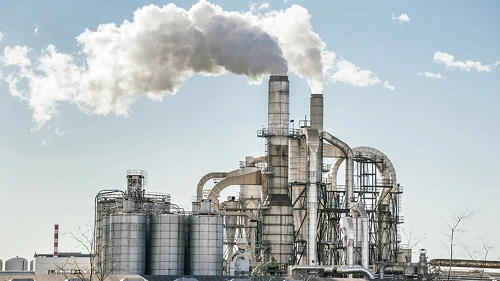
The chemical industry in India is one of the country’s most fundamental yet least visible growth engines. It feeds directly into almost every major sector—agriculture, pharmaceuticals, textiles, automobiles, construction, electronics, and consumer goods. By 2026, the Indian chemical industry is no longer just a supplier of basic inputs. It is steadily evolving into a diversified, value-driven, and export-capable manufacturing base.
India’s chemicals sector has benefited from long-term domestic demand, global supply-chain realignments, and a gradual shift away from dependence on a single sourcing country. At the same time, the industry faces rising environmental scrutiny, capital intensity, and global competition. Growth remains strong, but execution quality and sustainability now define competitiveness.
This article presents a compelte assessment of the chemical industry in India in 2026, covering its size, growth drivers, structural challenges, and realistic outlook.
Quick Overview: Chemical Industry in India (2026)
| Aspect | Status |
| Global position | Among the top chemical producers in Asia |
| Industry structure | Highly diversified, fragmented |
| Key segments | Basic chemicals, specialty chemicals, agrochemicals |
| Demand base | Manufacturing, agriculture, infrastructure, exports |
| Export orientation | Growing, especially in specialty chemicals |
| Major pressure points | Environmental compliance, scale, raw material costs |
| Outlook | Strong growth led by specialty and performance chemicals |
Industry Size and Economic Importance
By 2026, India’s chemical industry represents a large, multi–tens-of-billions-dollar ecosystem, making it one of the largest contributors to industrial output after sectors like steel and automobiles. The industry plays a critical role in value creation because chemical products act as intermediates rather than final goods, amplifying their economic impact across downstream industries.
India’s chemical consumption continues to rise with industrialization, urbanization, and higher agricultural productivity needs. Unlike many other sectors, chemicals benefit from both domestic demand and export opportunities, giving the industry a balanced growth profile.
The sector also supports extensive employment, especially in manufacturing clusters spread across western and southern India.
Structure of the Indian Chemical Industry
The industry is broadly divided into three major segments:
1. Basic and Commodity Chemicals
Includes petrochemicals, polymers, fertilizers, industrial gases, and inorganic chemicals. This segment is volume-driven, capital-intensive, and closely linked to global commodity cycles.
2. Specialty Chemicals
Covers performance chemicals, dyes and pigments, coatings, adhesives, specialty polymers, and electronic chemicals. This is the fastest-growing and most profitable segment.
3. Agrochemicals
Includes crop protection chemicals and intermediates. India is a major producer and exporter, supported by strong formulation capabilities.
One defining feature of the Indian chemical industry is fragmentation. While large players dominate capital-intensive segments, thousands of small and mid-sized firms operate in specialty and niche areas.
Key Growth Drivers in 2026
1. Diversification of Global Supply Chains
Global manufacturers are reducing over-dependence on single-country sourcing. India has emerged as a preferred alternative due to cost competitiveness, improving quality standards, and regulatory familiarity with global buyers.
2. Strong Specialty Chemicals Momentum
Specialty chemicals benefit from higher entry barriers, customer stickiness, and better margins. Indian companies have built strengths in custom manufacturing and niche applications, particularly for global clients.
3. Domestic Manufacturing Growth
Expansion in pharmaceuticals, textiles, automotive, electronics, and construction fuels demand for intermediates, resins, coatings, and additives.
4. Agriculture and Food Security Needs
Agrochemicals remain structurally important as India seeks to improve crop yields and food security. Export demand adds another growth layer.
5. Policy Support and Industrial Corridors
Government focus on domestic manufacturing, chemical parks, and logistics infrastructure is improving scale efficiency and lowering operating friction over time.
Major Challenges Facing the Industry
1. Environmental and Regulatory Pressure
Chemical manufacturing faces increasing scrutiny related to pollution, waste management, and emissions. Compliance requires continuous capital investment and operational discipline, particularly challenging for smaller firms.
2. Raw Material Price Volatility
Many chemicals depend on crude oil derivatives or imported feedstock. Price swings directly affect margins, especially in commodity segments where pricing power is limited.
3. Capital Intensity and Scale Requirements
Upgrading plants, meeting safety standards, and expanding capacity require significant capital. Smaller companies often struggle to fund growth while staying compliant.
4. Infrastructure and Logistics Constraints
While improving, logistics costs in India remain higher than in some competing countries. Chemicals also require specialized storage and transport, adding complexity.
5. Technology and Skill Gaps
Advanced specialty chemicals need process innovation, R&D, and skilled manpower. Scaling these capabilities consistently across the industry remains a challenge.
Competitive Dynamics and Industry Shift
By 2026, the Indian chemical industry is clearly shifting away from pure commodity dependence toward value-added and application-specific products. Companies are investing more in:
- Custom synthesis and contract manufacturing
- Backward integration into key intermediates
- R&D-driven product differentiation
- Long-term relationships with global customers
Consolidation is also underway. Firms that cannot meet environmental or financial requirements are either exiting or being absorbed by stronger players.
Segment-Wise Outlook
a. Basic Chemicals
Growth remains steady but cyclical. Profitability depends heavily on feedstock prices and capacity utilization.
b. Specialty Chemicals
Expected to be the main growth engine. Higher margins, export demand, and customer stickiness support long-term expansion.
c. Agrochemicals
Stable growth with export strength. Regulatory compliance and innovation will determine competitive positioning.
Forecast: Chemical Industry Outlook (2026–2030)
Short-Term Outlook (2026–2027)
- Strong demand from domestic manufacturing and exports
- Margin pressure from raw material volatility
- Continued capacity additions in specialty segments
Medium-Term Outlook (2028–2030)
- Specialty chemicals account for a larger share of industry value
- Higher consolidation and scale efficiency
- Greater emphasis on green chemistry and sustainability
Growth Expectations
The Indian chemical industry is expected to grow at a high single-digit to low double-digit rate, with specialty chemicals significantly outperforming commodity segments.
Strategic Takeaway
In 2026, India’s chemical industry is well-positioned but at a strategic crossroads. The opportunity lies in moving decisively toward specialty, performance, and export-oriented chemicals while managing environmental and operational risks.
Scale alone will not guarantee success. The winners will be companies that combine process excellence, regulatory discipline, and customer-driven innovation. Those who fail to adapt will find it increasingly difficult to compete.
Chemicals may operate behind the scenes, but they are central to India’s industrial future. The next phase of growth will belong to players who treat sustainability and value creation not as constraints, but as long-term competitive advantages.